
Services
Scaling and Root Planing
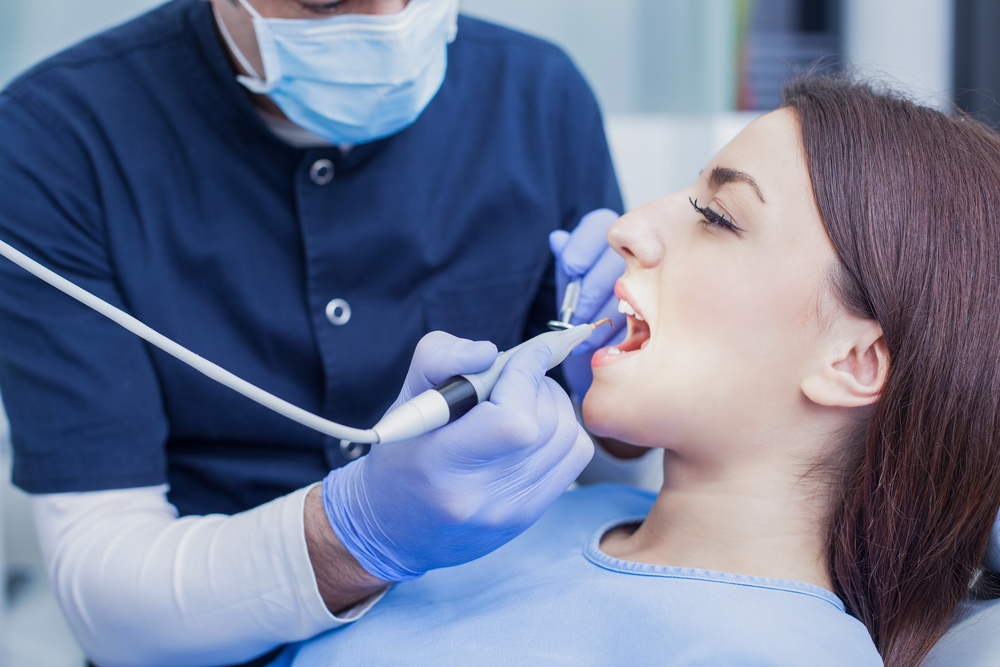
We deep-clean below the gumline to clear tartar and bacteria, helping gums heal and reattach comfortably.

Why choose us
Benefits of Scaling and Root Planing
Stops Gum Disease Early
We remove hardened plaque and bacteria below the gumline before gum disease can progress.
Healthier, Calmer Gums
Clearing out infected deposits helps swollen, bleeding gums settle down and reattach to the tooth.
Helps Save Natural Teeth
Treating gum infection early protects the bone and tissue that keep your teeth in place.
Fresher Breath
Removing bacteria trapped in deep pockets takes away a common source of persistent bad breath.
Comfort-Focused Care
We numb the area thoroughly and offer nitrous oxide or oral sedation if you'd like extra relaxation.
Maybe you noticed a little blood in the sink when you brushed and brushed harder, hoping it would go away. Maybe your gums feel tender, your breath doesn't stay fresh, or your hygienist mentioned that the spaces around your teeth are measuring deeper than they used to. These are the everyday moments that bring people to us for scaling and root planing — a deep cleaning that reaches below the gumline, where a regular cleaning cannot go, to stop gum disease before it costs you bone and teeth.
Scaling and root planing is a two-part therapy. Scaling removes plaque, tartar, and bacterial buildup from the tooth surfaces above and below the gumline, including inside the pockets that form when gums pull away from the teeth. Root planing then smooths the root surfaces so that bacteria have fewer rough places to cling to and so the gum tissue can reattach more closely to the tooth. Together, these steps address the actual source of the inflammation rather than just the symptoms.
A routine dental cleaning polishes what sits above the gumline on healthy gums. When pockets deepen, bacteria live in a place a toothbrush and floss simply cannot reach, and the body's inflammatory response begins breaking down the bone that holds teeth in place. That bone loss does not grow back on its own, which is why acting early matters so much. We use local anesthetic to keep you comfortable, and because gum disease often affects the whole mouth, treatment is frequently completed in sections across more than one visit so each area gets careful attention.
The people who benefit most are those with gingivitis that has progressed, or with early to moderate periodontitis. Common signs we hear about include gums that bleed when brushing or flossing, redness and puffiness, persistent bad breath, gums that look like they are receding, sensitivity near the gumline, or teeth that feel slightly loose. Some patients have no discomfort at all and learn about their gum condition only during a dental exam, when we measure pocket depths and review X-rays.
Certain situations raise the risk and make periodontal evaluation especially worthwhile:
- Smoking or tobacco use, which reduces blood flow to the gums
- Diabetes and other conditions that affect healing and inflammation
- Pregnancy and other hormonal changes that make gums more reactive
- A family history of gum disease or tooth loss
- Crowded or crooked teeth that are hard to clean thoroughly
- Several years since the last professional cleaning
- Dental implants that need ongoing maintenance of the surrounding tissue
If your gum condition turns out to be more advanced than scaling and root planing can resolve, you will not need to start over somewhere new. We treat periodontal concerns in house, including gum grafting, periodontal regeneration, crown lengthening, gingivectomy, gum contouring, and periodontal surgery, and we accept patients without a referral.
Healing, Aftercare, and Keeping Your Results
For a few days afterward, it is normal for gums to feel tender and for teeth to be temporarily sensitive to hot and cold, particularly as tissue tightens around the roots. Soft foods, warm salt-water rinses, and gentle but consistent brushing and flossing help during that window. We will go over specific instructions with you before you leave, including anything related to the anesthetic or any product we recommend.
As inflammation calms, gums typically become firmer and less likely to bleed, and pockets often measure shallower at your follow-up evaluation. Keeping that progress is an ongoing partnership. Many patients move onto a periodontal maintenance schedule — cleanings at shorter intervals than the standard six months — so bacteria never get a chance to recolonize those pockets. Home care, tobacco reduction, and management of conditions like diabetes all support the result. We also screen for oral cancer and can address related issues such as nighttime clenching with a night guard, since grinding adds stress to teeth already weakened by bone loss.
Cost, Coverage, and Care Close to Home
We accept all major PPO insurance plans and file periodontal claims as a general practice. We also welcome self-pay and cash patients, and we offer flexible payment plans so treatment can be scheduled when it is needed rather than postponed. Our team is happy to review your benefits and lay out the cost before you commit to anything.
Families from Ocala, Belleview, Silver Springs, Summerfield, Dunnellon, Lady Lake, The Villages, and the surrounding Marion County communities have trusted us for more than 30 years. Dr. Hussein Salifu, Dr. Marco Geris, and our hygienist see patients of all ages, and our on-site dental lab supports restorative work when it is needed down the road.
If your gums are telling you something, we would be glad to take a look. Call us to schedule an exam and periodontal evaluation.
The process
What to expect
- 1
Periodontal Evaluation
We examine your gums, measure pocket depths, and review X-rays to see how far the infection has spread.
- 2
Deep Cleaning Visit
Our hygienist and dentist clean the root surfaces one area at a time, often over a couple of appointments.
- 3
Ongoing Maintenance
We check your healing and schedule periodontal maintenance cleanings to keep your gums stable long term.