
Temporomandibular Joint (TMJ/TMD) Therapy in Weirsdale
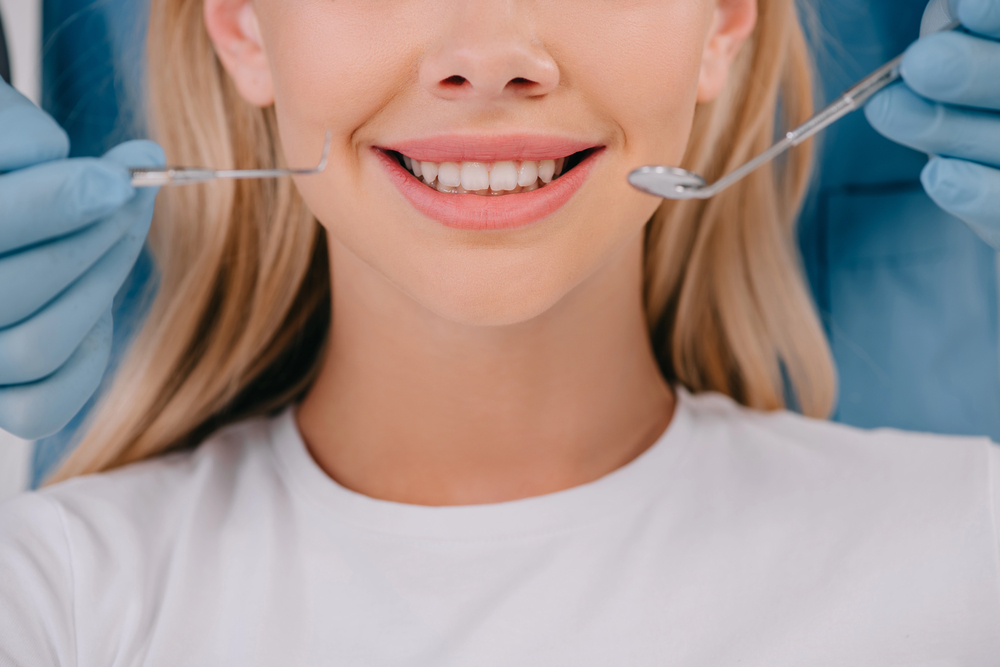
Jaw pain rarely announces itself clearly. For many of the Weirsdale patients we see, it starts as a dull ache near the ear, a click when biting into a sandwich, or morning headaches that seem to have no cause. The temporomandibular joints — the two hinges connecting your lower jaw to your skull — work every time you chew, speak, yawn, or swallow, so when they are strained or inflamed, the symptoms spread into the teeth, temples, neck, and shoulders. TMJ/TMD therapy is the process of finding out why that joint and its surrounding muscles are struggling, then treating the cause rather than masking the discomfort.
Temporomandibular joint disorder, often shortened to TMD, is an umbrella term covering several different problems: muscle overuse from clenching and grinding, inflammation within the joint, disc displacement that produces clicking or locking, arthritis changes, or a bite that forces the jaw into an unnatural resting position. Two people with the same diagnosis can have entirely different triggers, which is why we treat jaw pain as an evaluation first and a treatment second.
Our orofacial pain care covers jaw clicking, locking, or limited movement, jaw-related headaches, TMJ disorders, and chronic facial pain. We see patients of all ages, and we accept patients without a referral — Weirsdale residents can call us directly rather than working through another provider first. For those already coming to our Ocala office for cleanings, exams, or restorative work, adding a TMJ evaluation is simply part of the same ongoing relationship with a team that has practiced here for over 30 years.
Several distinct situations bring Weirsdale patients to us for jaw treatment. The most common is nighttime grinding, where the first clue is flattened or chipped enamel found during a routine exam rather than pain itself. A second group arrives after a specific event — a long dental procedure, an injury, or a wide yawn that left the jaw feeling stuck. A third group has lived with recurring headaches for years and has never connected them to the jaw at all.
You may be a good candidate for TMJ/TMD therapy if you recognize any of the following:
- Clicking, popping, or grating sounds when you open or close your mouth
- A jaw that catches, locks, or will not open as wide as it once did
- Tension headaches, especially on waking, or aching around the temples and ears
- Soreness in the chewing muscles, face, or neck that worsens through the day
- Worn, chipped, or sensitive teeth suggesting clenching or grinding
- Discomfort when chewing tougher foods or after long conversations
Missing teeth, failing restorations, and an uneven bite can also contribute to joint strain, so our evaluation looks at the whole picture rather than the joint in isolation.
What Treatment Involves at Our Office
We begin with a conversation about when symptoms appear and what makes them better or worse, followed by a clinical exam of your jaw movement, muscle tenderness, and bite relationship. We check how your teeth come together, look for wear patterns, and assess the range and symmetry of opening. This gives us a working picture of whether the problem is primarily muscular, joint-based, bite-related, or some combination.
Treatment is then matched to what we find. A custom night guard is one of the most frequently used tools, protecting teeth from grinding forces and allowing overworked muscles to rest. Our on-site dental lab is a meaningful advantage here, since appliances and restorations can be fabricated and adjusted without long outside turnaround. When an uneven bite or damaged teeth are part of the problem, restorative care such as crowns, onlays, or tooth replacement may be recommended. In some cases, orthodontic treatment with clear aligners or Invisalign addresses alignment issues contributing to strain. For patients who feel anxious during longer appointments, we offer nitrous oxide and oral sedation.
Aftercare and Ongoing Support
TMD care is usually a process rather than a single visit. We follow up to see how you are responding, adjust appliances as needed, and refine the plan if symptoms shift. At home, we typically discuss habits that aggravate the joint — gum chewing, nail biting, resting the chin on a hand, or holding tension in the jaw during the day — along with softer food choices during flare-ups and gentle warmth on sore muscles.
Night guards need periodic checks for fit and wear, and we can repair or replace appliances as they age. Because we also handle emergency appointments, Weirsdale patients who experience sudden locking or acute pain have somewhere to turn quickly.
Insurance, Payment, and Scheduling
We accept all major PPO insurance plans and file claims as a general practitioner. Self-pay and cash patients are welcome, and we offer flexible payment plans so treatment can be phased sensibly over time.
Before anything begins, we review what is recommended, why, and what it will cost, so there are no surprises. Weirsdale patients are welcome to call and schedule an evaluation with Dr. Hussein Salifu or Dr. Marco Geris.