
Onlays in Weirsdale
A back molar with an old, oversized filling finally gives out — a corner breaks off while you're eating, or your dentist spots a crack running through the chewing surface. The tooth isn't damaged enough to need a full crown, but a standard filling won't hold up either. That middle ground is exactly where an onlay fits, and it's one of the restorations we place regularly for patients who drive over from Weirsdale.
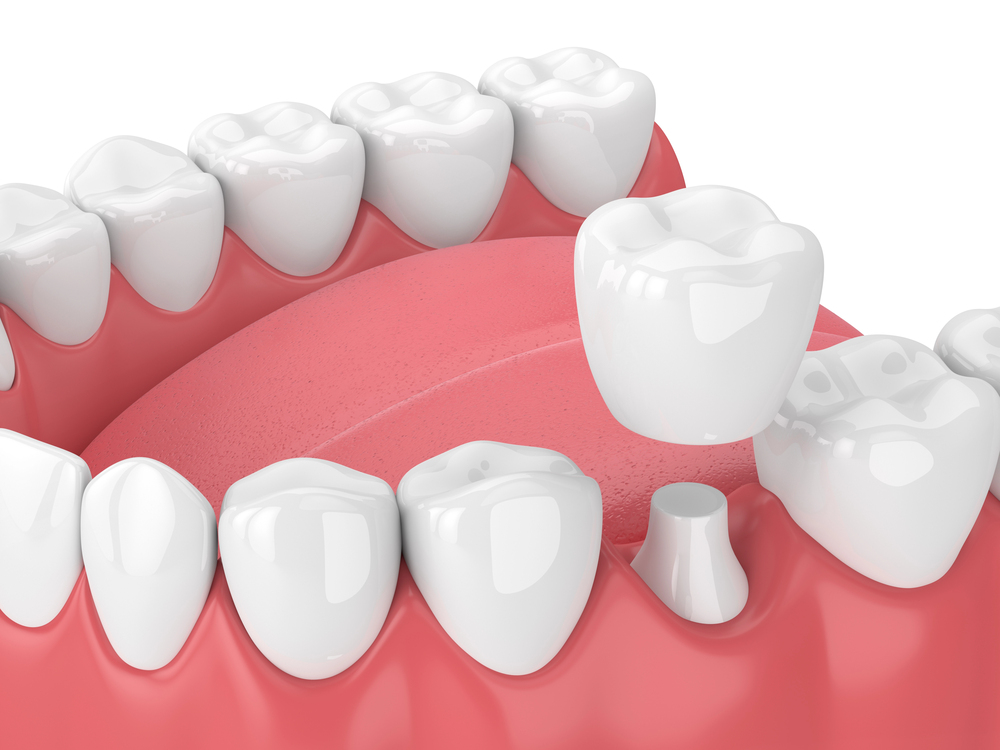
An onlay is a custom-made restoration that rebuilds the chewing surface of a back tooth, including one or more of the cusps — the raised points that do the work of grinding food. It's bonded onto the tooth after we remove decay or damaged structure. Unlike a filling, which is packed into the tooth and hardened in place, an onlay is fabricated to precise dimensions and then seated, giving it a stronger, more predictable shape and bite surface.
The reason we reach for an onlay instead of a crown comes down to conservation. A crown requires reducing the tooth all the way around to make room for the restoration. An onlay covers only the damaged portion and leaves healthy enamel and tooth structure intact. For a molar or premolar that still has solid walls, that preserved structure matters for the long-term health of the tooth. Patients sometimes hear onlays described as "partial crowns," which is a fair way to picture them.
Most people who end up with an onlay fall into a few familiar categories. The most common is a large old filling that has outgrown the tooth — decay creeping in around the edges, or the remaining tooth walls flexing under chewing pressure. We also use onlays after treating cracked teeth, where a cusp is fractured or at risk of fracturing, and sometimes following root canal therapy when a back tooth needs coverage but not full crown reduction.
An onlay isn't right for every situation. If decay has reached deep below the gumline, if too little healthy structure remains to bond to, or if the tooth is heavily broken down, a crown or another restorative approach may be the better call. We evaluate that with an exam and imaging before recommending anything, and we'll explain why we're suggesting one option over another. We see patients of all ages, so a Weirsdale family can bring everyone to the same office — children for sealants and cleanings, adults for restorative work like onlays.
What the Process Looks Like
Treatment begins with an exam to confirm the tooth can support an onlay and to check for anything else going on, including cracks or signs of grinding. We then numb the area, remove decay and any unsupported tooth structure, and shape the remaining tooth to receive the restoration. Next comes a precise impression or scan of the prepared tooth and the surrounding bite.
Here's where our on-site dental lab changes the experience for Weirsdale patients. Because we fabricate restorations in our own lab rather than shipping work out, we can often shorten what would otherwise be a multi-week, multi-trip process. That's meaningful when you're driving in from Weirsdale rather than living around the corner. Once the onlay is ready, we check the fit and the bite, make any adjustments, and bond it permanently in place.
- Exam and imaging to confirm an onlay is the right restoration
- Numbing, decay removal, and shaping of the tooth
- Digital scan or impression of the prepared tooth
- Fabrication of the custom onlay
- Fit and bite check, then permanent bonding
- Final polish and aftercare instructions
Aftercare and Keeping the Restoration Healthy
Your tooth may feel slightly sensitive for a short period after bonding, and your bite can feel unfamiliar for a day or two as you adjust. If it still feels high or off after that, call us — a quick bite adjustment is simple and worth doing. Brush and floss the onlay exactly as you would a natural tooth; the margin where the restoration meets your enamel is the spot that benefits most from careful flossing.
Routine cleanings and exams with our hygienist let us monitor the margins over time. If you grind or clench, we can discuss a night guard, since grinding forces are a leading cause of failed restorations. We also provide TMJ therapy and treat jaw-related pain if clenching is part of a larger pattern.
Insurance, Payment, and Getting Scheduled
We accept all major PPO insurance plans and file claims as a general practice. We also welcome self-pay and cash patients, and we offer flexible payment plans when a treatment plan is larger than expected. Before we begin, we'll walk you through the estimated cost and what your coverage is likely to contribute.
Ocala Dental Care has served Marion County and surrounding communities for more than 30 years, with Dr. Hussein Salifu and Dr. Marco Geris leading care. Weirsdale patients are welcome for routine visits, restorative work like onlays, and emergency appointments when a tooth breaks unexpectedly. Call us to schedule an evaluation.