
Bridges in Reddick
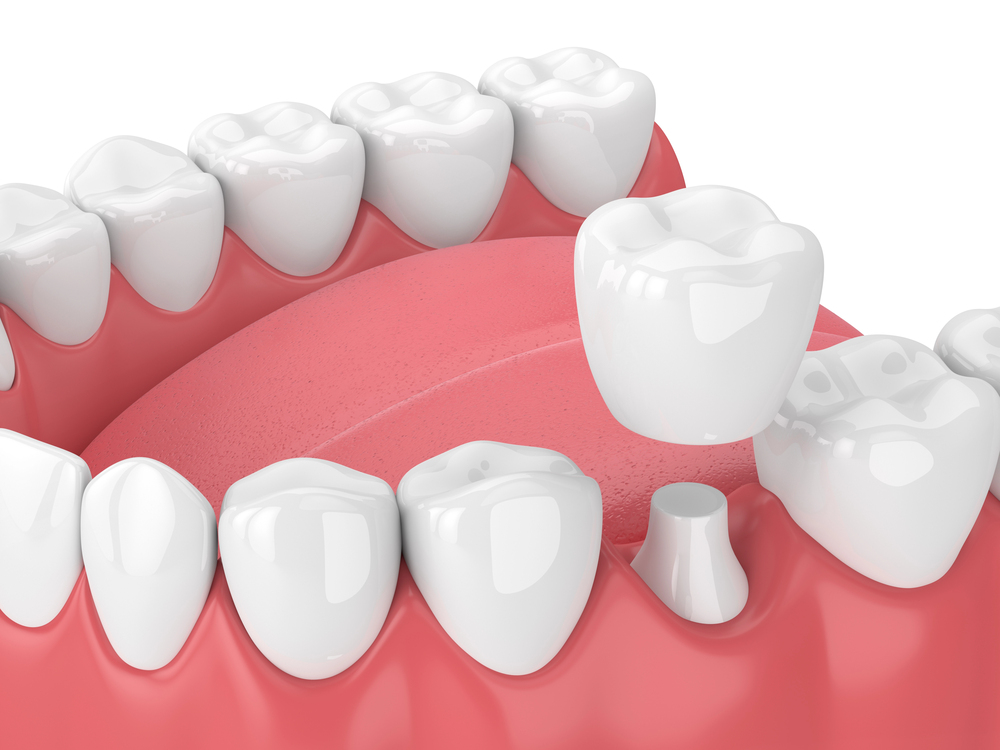
A missing tooth rarely stays a single problem. The teeth on either side begin to drift toward the open space, the opposing tooth can over-erupt, and chewing shifts to one side of the mouth. A dental bridge closes that gap with a fixed replacement tooth anchored to the teeth beside it, restoring the way your bite works and the way your smile looks. For patients in Reddick, it is one of the most straightforward ways to replace one or more missing teeth without removable appliances.
A bridge is made up of one or more artificial teeth, called pontics, held in place by crowns on the neighboring teeth or by dental implants. Once it is cemented or attached, it stays in your mouth — you brush it, eat with it, and leave it in place. That permanence is what draws many Reddick patients to a bridge instead of a removable partial denture, particularly when only one or two teeth are missing and the surrounding teeth are healthy enough to serve as supports.
We offer both traditional tooth-supported bridges and implant-supported bridges. A traditional bridge relies on the adjacent teeth, which are shaped to receive crowns. An implant-supported bridge rests on implants placed in the jawbone, which means neighboring teeth are left untouched — a good option when the teeth beside the gap are already in good condition or when several teeth in a row are missing. We place dental implants in our office, so the implant and the bridge can be planned together as one restoration rather than split between practices.
Most people missing one to three adjacent teeth are candidates for a bridge. Good candidates typically have healthy gums and enough bone support in the area. If gum disease is present, we treat it first with scaling and root planing or more involved periodontal care, because a bridge needs a stable foundation. If a tooth still in the mouth is cracked or badly decayed and needs to come out, we handle simple and surgical extractions here as well, and in some cases bone grafting or a sinus lift prepares the site for implants later.
Bridges are not the only answer, and we will say so when something else fits better. A single missing tooth with intact neighbors may be best served by a single implant. A patient missing most or all of an arch may be better matched with implant-supported dentures, full arch implants, or complete dentures. During your consultation we examine the gaps, the bite, and the condition of the remaining teeth, then explain the realistic choices.
What to Expect During Treatment
A traditional bridge usually takes two main appointments. At the first, we numb the area, shape the supporting teeth, take impressions or digital scans, and fit a temporary bridge so you leave with a complete-looking smile. At the second visit, we try in the finished bridge, check the fit and bite, adjust as needed, and cement it. Implant-supported bridges follow a longer timeline, since the implants need time to integrate with the bone before the final bridge is attached.
Our on-site dental lab shapes much of this process. Having lab work done in the building shortens turnaround and lets us make adjustments quickly rather than mailing a case away and waiting.
- A thorough exam, including evaluation of the gums and bite
- A discussion of traditional versus implant-supported options
- Shaping of supporting teeth, or implant placement when indicated
- Impressions or scans, with a temporary restoration in the meantime
- Fitting, adjustment, and final placement of your bridge
- Nitrous oxide or oral sedation available if dental anxiety is a concern
Caring for Your Bridge Afterward
Brush twice daily and clean beneath the pontic every day using floss threaders, interdental brushes, or a water flosser. Food and plaque collect under the false tooth, and the supporting teeth are still vulnerable to decay and gum problems. Our hygienists show you exactly how to clean around your specific bridge before you leave.
Keep regular cleanings and exams. We see patients of all ages, so Reddick families can schedule together. If a bridge feels loose, if the bite changes, or if you develop soreness around a supporting tooth, call us — we offer emergency appointments and would rather address a small issue early.
Insurance, Payment, and Scheduling from Reddick
We accept all major PPO insurance plans and file claims on your behalf, and we welcome self-pay patients. Many bridges carry partial insurance coverage; we provide an estimate before treatment begins. Flexible payment plans are available to spread the cost over time.
Reddick patients are part of the community we have served from Ocala for more than 30 years. Call us to schedule a consultation and find out whether a bridge is the right fit for your smile.