
Onlays in Oxford
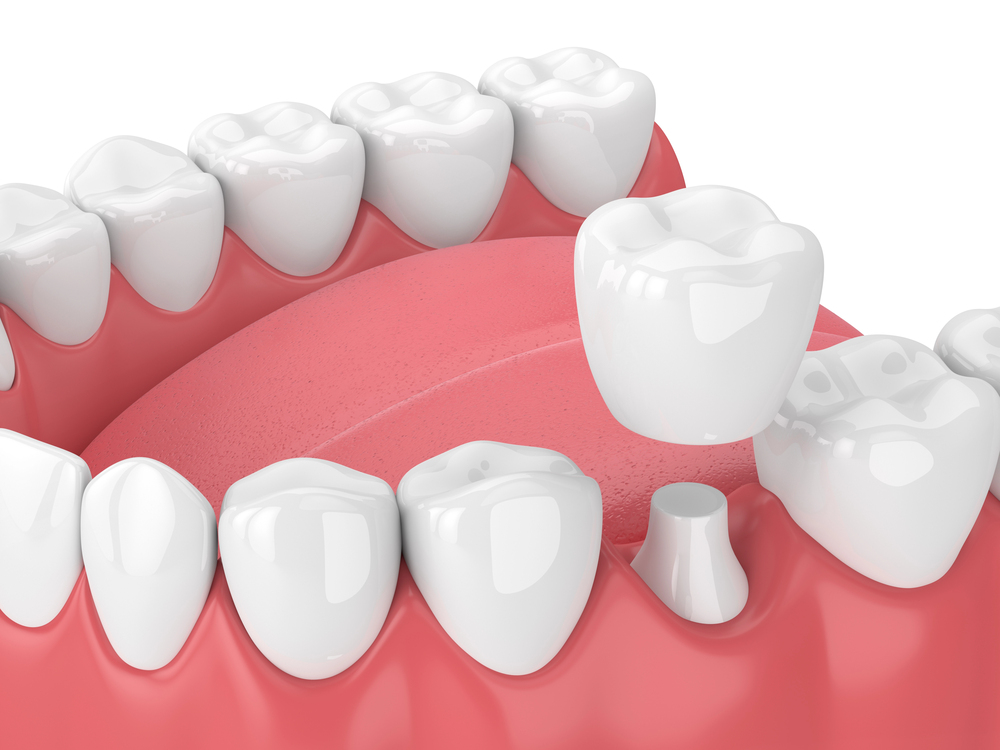
When a back tooth has more damage than a filling can handle but still has healthy structure worth saving, there's a middle option many people have never heard of: the onlay. For our patients from Oxford, that middle ground often means keeping more of your natural tooth instead of reducing it for a full crown. We see this situation regularly — an old filling that has finally given out, a cusp that chipped on something unexpectedly hard, or a molar with a crack that needs reinforcement before it splits further. An onlay is a custom-made restoration that covers the chewing surface and one or more cusps of a tooth, rebuilding its shape and strength while leaving the rest of the tooth intact.
An onlay sits between a filling and a crown. A filling packs material into a prepared space inside the tooth. A crown covers the entire tooth down to the gumline. An onlay is made in advance to fit the exact contours of your tooth, then bonded into place to restore the biting surface and rebuild damaged cusps — without removing the healthy walls of enamel a crown would require.
Because onlays are fabricated rather than shaped by hand in your mouth, they tend to hold their contour and contact with neighboring teeth very precisely. That matters on molars and premolars, where chewing forces are strongest and where food packing between teeth can lead to new decay. Patients from Oxford who come to us with a large, failing restoration on a back tooth are often good candidates, as are people whose teeth have worn down over years of grinding, which we also address with night guards and TMJ therapy when clenching is part of the picture.
You may be a candidate if a tooth has decay or an old restoration too wide to refill safely, a fractured cusp, or general wear that has flattened the biting surface. The deciding factor is how much sound tooth structure remains. If enough healthy enamel and dentin are left to support a bonded restoration, an onlay is usually possible. If the tooth is extensively broken down, a crown may protect it better, and we'll tell you plainly which we recommend and why.
Some teeth need other work first. A tooth with an infected nerve typically requires root canal therapy before any final restoration — something we handle in our own office, including retreatments and cracked-tooth cases. If gum health is a concern, we may address that first so the restoration has a stable foundation. Our goal is a tooth that lasts, not just a tooth that looks finished.
Benefits our Oxford patients tend to care about most:
- Preserves more natural tooth structure than a full crown
- Rebuilds chewing strength on molars and premolars
- Custom-fit contours that protect against food trapping
- A conservative option for cracked or worn back teeth
- Made with the help of our on-site dental lab, which keeps fabrication in-house
What the Process Looks Like
Your first visit starts with an exam and imaging so we can see the full extent of the damage, including anything below the surface. We'll review what we find with you, explain whether an onlay, a filling, or a crown makes the most sense, and go over the plan before any treatment begins.
At the treatment appointment, we numb the tooth, remove decay and any failing restoration material, and shape the remaining tooth so the onlay has clean, strong margins to bond to. We then capture the shape of the prepared tooth. Having an on-site lab is a real advantage here — fabrication happens in our building rather than being shipped away. When the onlay is ready, we check the fit, verify your bite, and bond it permanently. If you feel anxious about dental work, we offer nitrous oxide sedation and oral sedation.
Aftercare, Payment, and Scheduling from Oxford
Expect some sensitivity to temperature for a short time after bonding. Brush and floss normally — flossing around the onlay's margins matters, since that's where new decay would start. Avoid chewing ice or very hard items, and if you grind your teeth, a night guard helps protect your investment. We'll check the restoration at your regular cleanings and exams.
We accept all major PPO insurance plans and self-pay patients, and we offer flexible payment plans so cost can be spread out. Our team will review your coverage and give you the numbers before you commit. We're based in Ocala and have served this region for over 30 years, treating patients of all ages from Oxford and surrounding communities, with emergency appointments available when a tooth breaks unexpectedly.