
Dental Sealants in Oxford
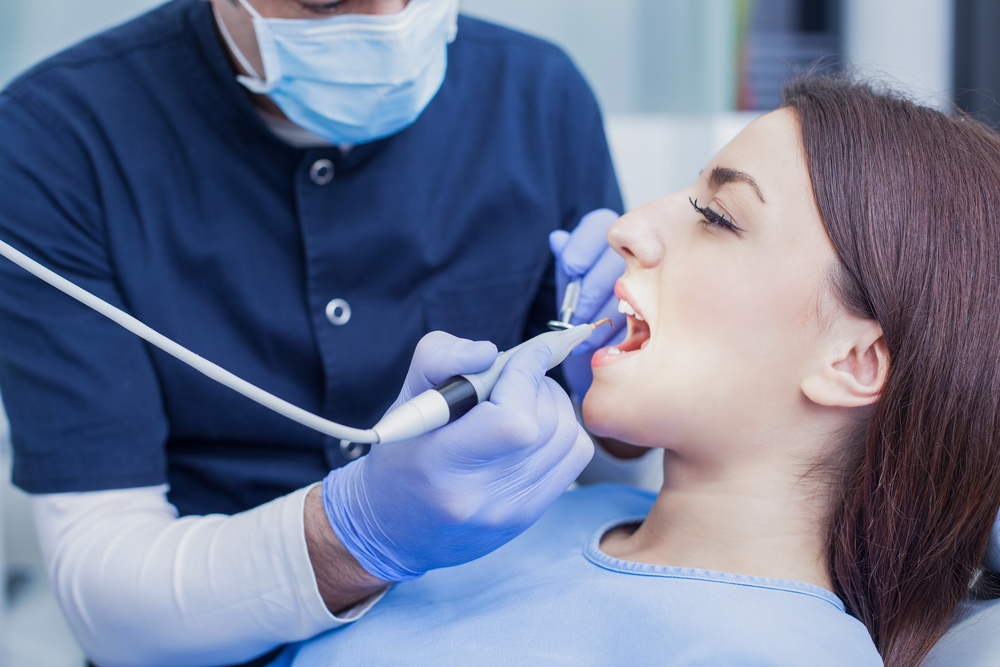
When your child's first permanent molars come in around age six, those back teeth arrive with deep grooves that a toothbrush bristle simply can't reach into. That's usually the moment parents in Oxford start asking us about sealants — and it's a good question to ask, because those grooves are where the majority of childhood cavities begin. Sealants are one of the simplest, least invasive things we do, and for Oxford families making the short drive to our Ocala office, they're often the easiest preventive step to fit into a routine visit.
A dental sealant is a thin, protective coating painted onto the chewing surface of a back tooth. Molars and premolars have natural pits and fissures that form as the tooth develops. Some of these grooves are narrower than a single toothbrush bristle, which means food particles and bacteria settle in and stay there no matter how carefully someone brushes. A sealant flows into those grooves and hardens, creating a smooth surface that's far easier to keep clean.
Think of it as filling in the canyon before anything can collect at the bottom. Nothing is drilled, nothing is removed, and no part of the healthy tooth structure is sacrificed. That's what makes sealants such an appealing option for the Oxford families we see — it's protection applied to a tooth that is still completely healthy, rather than a repair after the fact. We place sealants as part of our broader preventive dentistry care, alongside cleanings, exams, and fluoride treatment.
Children and teenagers are the most common candidates. The first permanent molars typically erupt around age six and the second molars around age twelve, and the years right after eruption are when those teeth are most vulnerable. Sealing them shortly after they come in gives the grooves protection during the stretch when brushing habits are still developing and snacking is frequent.
Adults are candidates too, and we evaluate for it regularly. If you have deep grooves in your molars that have never decayed and never been filled, a sealant can still be worthwhile. During a dental exam we look at the shape and depth of each chewing surface, your cavity history, and how easily you're able to clean those back teeth. Some patients benefit; others have shallow grooves that don't need anything. We'll tell you honestly which category you fall into rather than applying sealants reflexively.
A few things that make sealants worth considering:
- They require no drilling, no anesthetic, and no removal of tooth structure
- Placement takes only a few minutes per tooth and is completely painless
- They pair naturally with a cleaning and exam, so no separate trip from Oxford is needed
- They protect the surfaces where cavities most commonly start in children
- They can be reapplied if they wear down over time
What Happens During the Appointment
The process is straightforward. We clean and dry the tooth thoroughly, then apply a conditioning solution that lightly roughens the enamel surface so the sealant material will bond securely. The tooth is rinsed and dried again, the liquid sealant is brushed into the grooves, and a curing light hardens it in seconds. We check your bite afterward and adjust if anything feels high.
There's no numbing involved and no recovery period. Children who are nervous usually find this one of the easiest visits they'll have, since there's no pressure, no sound of a drill, and nothing uncomfortable. We treat all ages here, and our hygienist and dentists — Dr. Hussein Salifu and Dr. Marco Geris — are used to walking kids through each step before it happens. You can eat normally as soon as you leave.
Keeping Sealants Working Over Time
Sealants are durable, but they're not permanent. Years of chewing, grinding, and sticky foods can wear them thin or chip an edge. At every routine visit we check each sealed tooth to confirm the coating is still intact and still sealing the groove completely. If a spot has worn away, reapplying it is quick.
Daily care doesn't change. Brush twice a day, floss between the teeth where sealants don't reach, and keep up with regular cleanings. A sealant protects the chewing surface only — the surfaces between teeth still need flossing. For Oxford patients who grind at night, we may also discuss a night guard, since grinding wears sealants faster.
Insurance, Self-Pay, and Payment Plans
We accept all major PPO insurance plans, and sealants are frequently a covered preventive benefit for children. Our team will verify your coverage before treatment so you know what to expect. We also welcome self-pay and cash patients, with no insurance required.
For families coordinating sealants alongside other treatment, we offer flexible payment plans. Ocala Dental Care has served this region for over 30 years, and we're glad to see Oxford patients of every age — just call to schedule a visit.