
Oral Biopsy in McIntosh
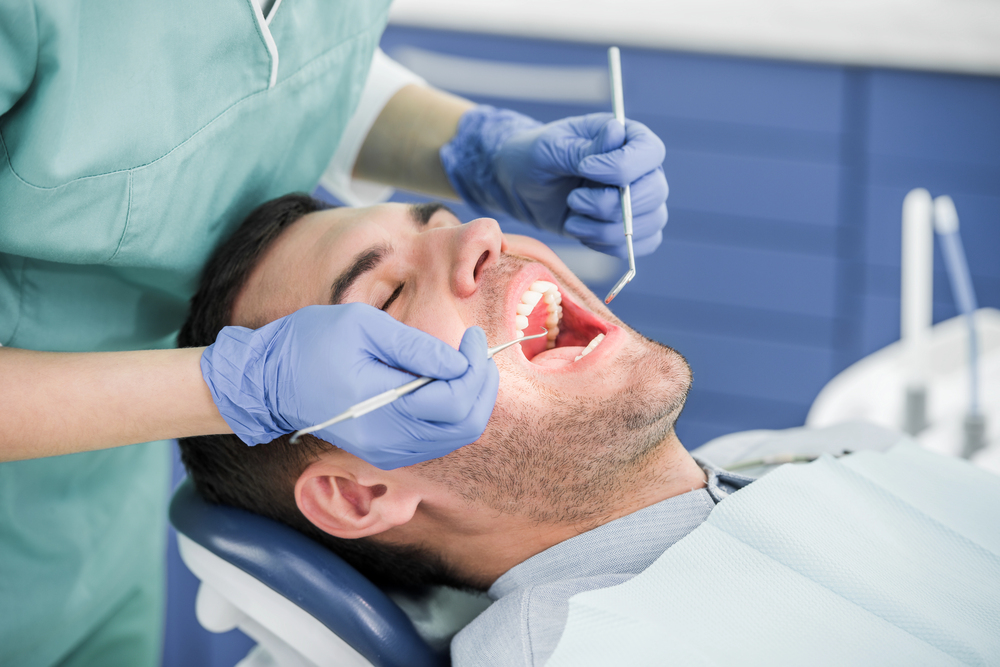
A sore that hasn't healed in two weeks, a white or red patch on the inside of the cheek, a lump along the gum line that wasn't there last month — these are the kinds of findings that lead to an oral biopsy. A biopsy is simply the removal of a small sample of tissue so it can be examined under a microscope and identified with certainty. For patients in McIntosh, it's often the step that turns "we're not sure what this is" into a clear answer and a plan.
An oral biopsy involves taking tissue from the mouth — cheek, tongue, lip, palate, gums, or the floor of the mouth — and sending it to a pathology laboratory for analysis. Some biopsies are excisional, meaning the entire area in question is removed. Others are incisional, where only a representative portion is taken because the area is larger or located somewhere that calls for a more conservative approach. Which one makes sense depends on the size, location, and appearance of what we find.
The purpose is diagnosis, not guesswork. Many oral lesions turn out to be harmless — irritation from a denture edge, a cheek bite that keeps reopening, a benign growth. But looks alone can't separate a harmless spot from something that needs attention, and that's exactly why we don't rely on visual inspection to close the question. A biopsy gives a definitive tissue diagnosis, and that result shapes everything that follows, whether that's reassurance, a change in a dental appliance, or a referral for further care.
Most biopsies begin with an oral cancer screening or a routine dental exam, which we perform for patients of all ages. During a cleaning or checkup, our hygienist or dentist may notice a patch, ulcer, lump, or color change that doesn't match the surrounding tissue. Patients also come to us having found something themselves — a spot that catches the tongue, an area that bleeds when brushing, or a persistent rough patch.
You may be a candidate for an oral biopsy if you have:
- A sore or ulcer that has not healed within about two weeks
- A white, red, or mixed-color patch anywhere in the mouth
- A lump, thickening, or growth on the gums, cheek, lip, or tongue
- An area of persistent irritation beneath a denture or partial
- A change in texture or color noticed during an exam or screening
Denture wearers are a common group here. Because we operate an on-site dental lab and repair and replace existing dentures, we frequently see tissue changes caused by a poorly fitting appliance — and a biopsy helps confirm whether the irritation is mechanical or something else. We accept patients without a referral for oral and maxillofacial surgery, so McIntosh residents don't need to track down a specialist first to get a suspicious area looked at.
What the Appointment and Recovery Involve
The procedure itself is usually short. We numb the area thoroughly with local anesthetic, remove the tissue sample, and close the site if closure is needed. Most patients feel pressure rather than pain. For those who feel anxious about dental procedures, we offer nitrous oxide sedation and oral sedation, which can make the visit considerably more comfortable. Let us know ahead of time so we can plan for it.
Aftercare is straightforward. Expect mild soreness for a few days, and plan on soft foods while the site settles. We'll give you specific instructions on rinsing, brushing around the area, and what to avoid — typically very hot foods, spicy items, and anything that mechanically irritates the site. If sutures were placed, we'll let you know whether they dissolve on their own or need to be removed. Once the laboratory report comes back, we review the findings with you directly and explain what they mean in plain terms, along with any next steps.
Scheduling, Insurance, and Getting Seen from McIntosh
McIntosh is one of the communities we've served from our Ocala office, where we've practiced general, restorative, and cosmetic dentistry for over 30 years. Because we handle preventive care, oral surgery, periodontics, and prosthodontics under one roof, a McIntosh patient who needs a biopsy, an extraction, and a denture adjustment isn't bouncing between separate offices — Dr. Hussein Salifu and Dr. Marco Geris coordinate it all in one place.
Timing matters with an unexplained lesion, so we offer emergency dental appointments when something needs prompt attention rather than a long wait. We accept all major PPO insurance plans and self-pay patients, and we offer flexible payment plans when care needs to be spread out. We're members of the FDA and the Central Florida District Dental Association. If you've noticed something in your mouth that hasn't gone away, call us and we'll take a look.