
Dental Sealants in McIntosh
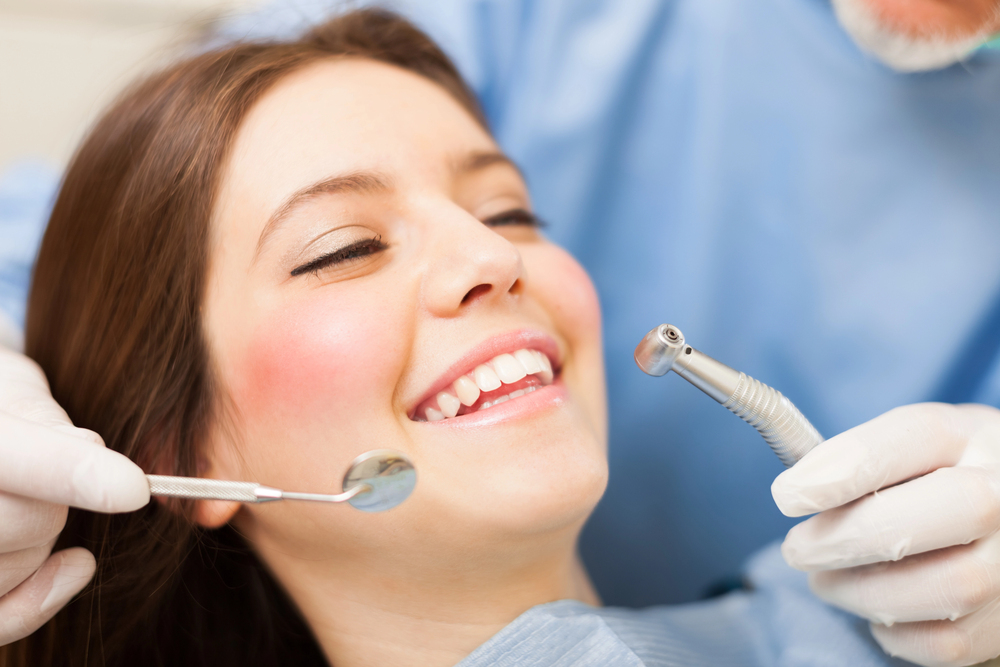
When a child's first permanent molars come in around age six, those teeth arrive with deep grooves that a toothbrush simply cannot reach into. Parents in McIntosh often notice this at a routine checkup — the teeth look healthy, but the chewing surfaces have pits dark enough to trap food and plaque day after day. Dental sealants are our straightforward answer to that problem, and they're one of the simplest preventive steps we offer families who drive in to see us from McIntosh and the surrounding Marion County communities.
A dental sealant is a thin, protective coating painted onto the chewing surface of a back tooth. Molars and premolars are built with natural grooves and fissures that help you grind food, but those same grooves are often narrower than a single toothbrush bristle. Food particles and bacteria settle in, and brushing can't clear them out. Sealing the surface smooths it over, so debris rinses away instead of sitting in place and producing the acid that starts a cavity.
Sealants fall under preventive dentistry, the same category as cleanings, exams, and fluoride treatment. We think of them as part of a bigger picture rather than a standalone product. A McIntosh family coming in for routine hygiene visits with our dental hygienist will often leave with sealants on the newly erupted molars, fluoride applied, and a clear sense of which teeth need watching over the next six months.
Children and teenagers are the most common candidates, simply because the first few years after a molar erupts are when it's most vulnerable. We typically look at sealing permanent molars shortly after they come through the gums, before decay has a chance to begin. Because we see patients of all ages, we can keep track of that timing across siblings and follow the same plan year after year.
Adults are candidates too. If you have deep grooves in your back teeth and no decay or existing fillings in those surfaces, a sealant can be a reasonable protective measure. Good candidates generally share a few traits:
- Permanent molars or premolars with deep pits and fissures
- No existing decay or restoration on the chewing surface being sealed
- A history of cavities or a diet that puts the back teeth at higher risk
- Difficulty keeping the very back teeth clean, which is common in children still developing brushing habits
- A willingness to keep up with regular exams so the sealants can be checked over time
If a tooth already has decay, sealing it isn't the right move. In that case we'd discuss a dental filling or another restorative option, and we can handle that care in the same office.
What Happens at the Appointment
The visit is short and involves no drilling and no numbing. We start by cleaning the tooth thoroughly and drying it. A conditioning gel is applied briefly to the chewing surface so the sealant material will bond well, then the tooth is rinsed and dried again. Keeping the tooth dry matters more than anything else in this procedure, so we take our time with isolation.
Next we paint the liquid sealant into the grooves and cure it with a curing light so it hardens in place. Finally we check the bite and adjust if the sealant feels high. Most patients are finished within minutes per tooth and can eat normally right away. For children who feel uneasy in the chair, we go slowly and explain each step; nitrous oxide sedation is available in our office when anxiety makes a visit difficult.
Caring for Sealants and Keeping Them Working
Sealants don't replace brushing — they make brushing more effective by removing the hiding places plaque relies on. Keep brushing twice a day, floss between the back teeth, and limit sticky or hard candies that can pull or chip the coating. Chewing ice and hard objects is the fastest way to damage one.
At each cleaning we inspect sealants for wear, chipping, or edges that have lifted. They wear down gradually with normal chewing, and reapplying a worn sealant is quick. For McIntosh patients who schedule cleanings on a steady six-month rhythm, this check happens automatically as part of the exam.
Insurance, Payment, and Scheduling from McIntosh
We accept all major PPO insurance plans and file claims as a general practice, which covers the full range of care our patients need under one roof. Many plans include preventive services, and our front desk team can review your benefits with you before treatment so there are no surprises.
We also welcome self-pay and cash patients, and we offer flexible payment plans when that helps a family move forward. Our Ocala office has served this region for more than 30 years, with Dr. Hussein Salifu and Dr. Marco Geris caring for patients from McIntosh and neighboring communities including Reddick, Fort McCoy, and Belleview. If something comes up between visits, we also offer emergency dental appointments.