
Dental Restoration in McIntosh
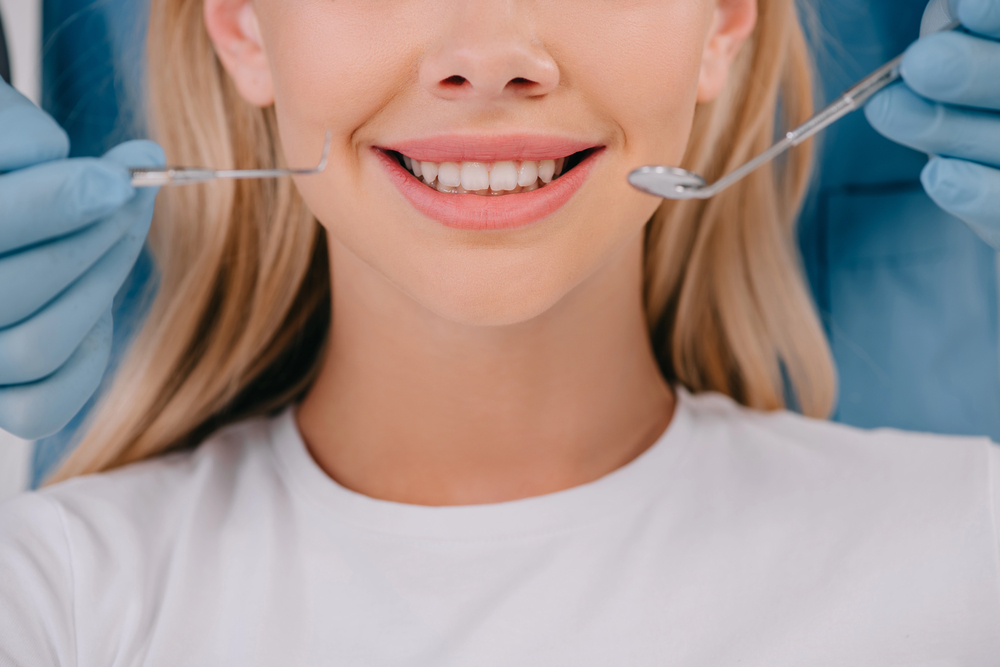
A cracked molar, a filling that finally gave out, a denture that no longer fits the way it used to — these are the everyday problems that send our McIntosh neighbors looking for help. Dental restoration is simply the work of rebuilding teeth that have been damaged, decayed, worn down, or lost, so you can chew comfortably and smile without second-guessing. For more than 30 years, our team has been repairing and rebuilding smiles in Marion County, and McIntosh patients are a regular part of our day.
Restoration covers a wide range of treatments, and the right one depends entirely on how much tooth structure is left and what's causing the problem. On the smaller end, we place dental fillings, composite bonding, onlays, and sealants to repair decay or minor chips. When a tooth is cracked or badly worn, a crown rebuilds the whole chewing surface and holds the tooth together. If decay has reached the nerve, root canal therapy — anterior, premolar, or molar — lets us save the tooth rather than remove it, and we also perform root canal retreatments when a previous procedure needs revisiting.
When a tooth is already missing, the conversation shifts to replacement. We provide bridges, implant-supported bridges, dental implants, complete and partial dentures, implant-supported and snap-in dentures, and full-arch options including All-on-4 and Teeth in a Day. For McIntosh patients dealing with widespread wear, failing old dentistry, or years of avoided treatment, full mouth reconstruction and full mouth rehabilitation bring all of this together into one coordinated plan rather than a series of disconnected appointments.
Most people who come to us from McIntosh fall into one of a few groups: someone with a tooth that hurts or has broken, someone whose older crowns or fillings are failing, someone who has been missing teeth long enough that chewing and speaking have changed, or someone who simply wants a long-neglected mouth brought back to health. All of these are good reasons to be evaluated, and we see patients of every age — adults and children alike.
Candidacy is determined at an exam. We look at the remaining tooth structure, the health of your gums and bone, your bite, and any jaw symptoms. Sometimes the groundwork comes first: gum disease treatment, scaling and root planing, crown lengthening, bone grafting, or a sinus lift may be needed before an implant or crown can succeed. If a tooth can't be saved, we perform simple and surgical extractions, including wisdom teeth removal, and plan the replacement from there. You don't need a referral to be seen, and if you're in pain, we offer emergency and same-day emergency appointments.
What the Process Looks Like
Your first visit includes a thorough exam, an oral cancer screening, and a clear explanation of your options, with costs and timing discussed before anything begins. From there we sequence treatment in a logical order — stabilize pain and infection first, address gum health, then rebuild.
Our on-site dental lab is a real convenience for McIntosh patients, because it shortens the back-and-forth that restorative care often involves.
- Same-day crowns, so a single trip can take the place of multiple visits
- Dentures fabricated and repaired in-house, including relines and replacements for existing dentures
- Faster turnaround when an adjustment or remake is needed
- Cosmetic smile-design consultations when appearance is part of your goal
- Nitrous oxide and oral sedation available for anxious patients or longer appointments
Aftercare and Keeping Your Results
Restorations last longest when the mouth around them stays healthy. After treatment, expect routine cleanings and exams with our hygienist, plus periodontal maintenance if you've been treated for gum disease and implant maintenance if you have implants. Fluoride treatments help protect vulnerable teeth, and a night guard protects crowns, bridges, and natural teeth from grinding — one of the most common reasons restorations wear out early. Sports guards are available for younger patients who play.
We'll also give you specific instructions after each procedure: what to eat in the first days, how to clean around a bridge or implant, and what discomfort is normal. If you notice jaw clicking, locking, limited movement, or headaches tied to your bite, let us know — we evaluate and treat TMJ disorders and chronic facial pain, and bite issues often influence how restorations hold up.
Insurance, Payment, and Getting Started
We accept all major PPO insurance plans and file claims as a general practice, which keeps billing straightforward even for specialty-type procedures like implants, root canals, or oral surgery. We welcome self-pay and cash patients, and flexible payment plans are available so larger treatment can be spread out sensibly.
Dr. Hussein Salifu and Dr. Marco Geris see McIntosh patients for everything from a single filling to a full-arch rebuild. If something is broken, sore, or simply not working the way it should, call us and we'll find a time that fits your schedule.