
Crown Lengthening in McIntosh
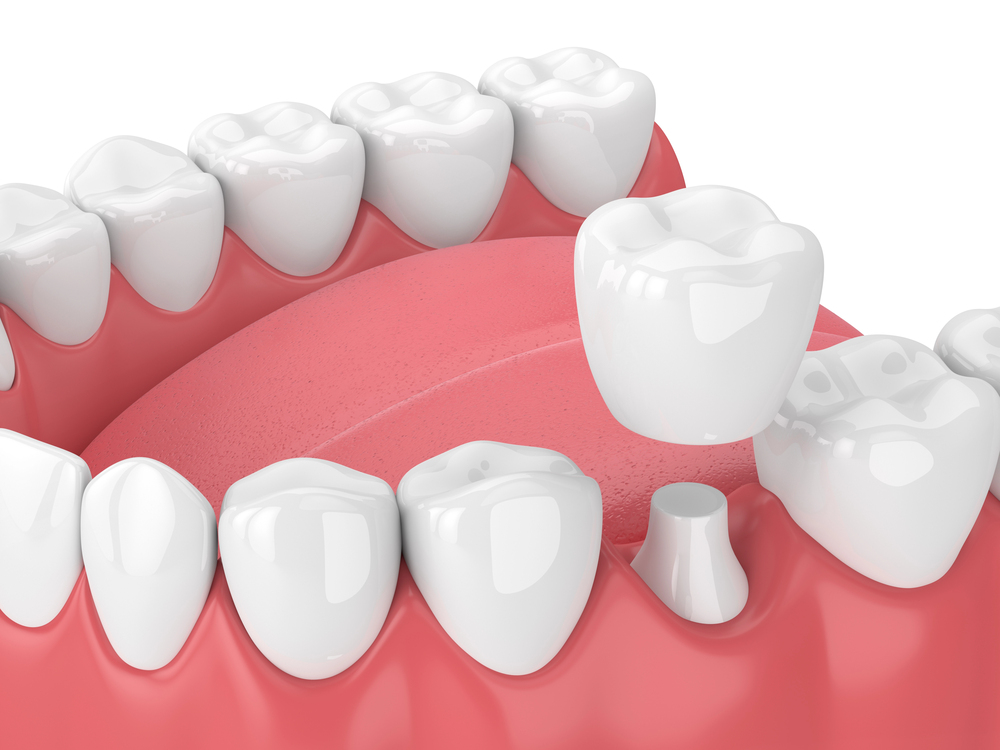
If a tooth has broken off near the gumline, if decay has crept below where a crown can grip, or if your smile shows more gum tissue than tooth, you may have been told you need crown lengthening before restorative work can move forward. We hear those concerns regularly from patients in McIntosh, and the good news is that this is a well-established, predictable procedure we perform right here in our Ocala office — no referral needed, and no separate specialist office to track down.
Crown lengthening is a periodontal procedure that reshapes gum tissue, and sometimes a small amount of the underlying bone, to expose more of the natural tooth structure. The "crown" in the name refers to the visible portion of your own tooth, not a porcelain restoration. By adjusting the gum and bone level, we create enough healthy tooth above the gumline for a crown, bridge, onlay, or filling to seat properly and stay sealed.
There are two broad reasons we recommend it. The first is functional: a tooth fractured at the gumline, deep decay, or a failing old restoration can leave too little structure for a lab-made crown to grip. Without crown lengthening, a new crown may sit too close to the gum, irritate the tissue, or come loose. The second reason is cosmetic: some patients have teeth that are perfectly healthy but appear short because gum tissue covers more of them than it needs to, producing what is often called a gummy smile. Reshaping the gumline in those cases can make teeth look longer and more balanced, and it pairs naturally with veneers or bonding when a patient wants a broader smile makeover.
Good candidates are usually patients who need a restoration on a tooth that is broken, worn, or decayed close to the gumline, and patients who want a more even gumline for cosmetic reasons. We also perform crown lengthening as one step within larger treatment plans — full mouth rehabilitation, for example, or restorative sequences where several teeth need crowns at consistent heights.
Healthy gums matter before any reshaping begins. If we find active gum disease during your exam, we typically address that first with treatments such as scaling and root planing or other periodontal care, then revisit crown lengthening once the tissue is stable. Because we provide a full range of periodontal services in-house — gum grafting, periodontal regeneration, gum contouring, gingivectomy, and dental implants among them — we can plan all of it under one roof rather than coordinating between offices. We see patients of all ages, adults and children alike, and we accept patients without a referral.
What the Procedure and Recovery Involve
We begin with an exam and imaging to confirm how much tooth structure is available and how much tissue needs to be adjusted. On the day of treatment, the area is thoroughly numbed. We then remove or recontour a precise amount of gum tissue, and if the situation calls for it, reshape a small amount of bone so the restoration will have a stable foundation. The site is cleaned and, depending on the technique used, may be closed with sutures. Some cases are handled with laser dentistry. For patients who feel anxious, we offer nitrous oxide sedation and oral sedation.
Here is what McIntosh patients can generally expect around the appointment:
- A consultation and exam to confirm crown lengthening is the right step
- Local anesthesia, with sedation options available on request
- Reshaping of gum tissue and, when needed, a small amount of bone
- A healing period before the final crown or restoration is placed
- A follow-up visit to check healing and plan the restorative phase
Aftercare is straightforward. Expect some tenderness and swelling for a few days, managed with cold compresses and the pain relief instructions we provide. Stick to soft foods at first, avoid chewing directly on the treated side, and keep the rest of your mouth clean while gently caring for the surgical area as directed. We allow the gum tissue time to settle before taking final impressions so the permanent restoration fits the healed gumline.
Convenient Care and Flexible Payment for McIntosh Patients
McIntosh residents regularly travel to our Ocala office for periodontal and restorative care, and we work to keep the number of trips low. Our on-site dental lab lets us fabricate crowns, dentures, and repairs in-house, which often means less waiting and fewer appointments once your gums have healed.
We accept all major PPO insurance plans and file claims as a general practitioner, which simplifies billing for periodontal procedures. We also welcome self-pay and cash patients, and we offer flexible payment plans so cost does not stall needed treatment. Our team has served this area for more than 30 years, and we are happy to review your options before you commit to anything.