
Wisdom Teeth Removal in Lady Lake
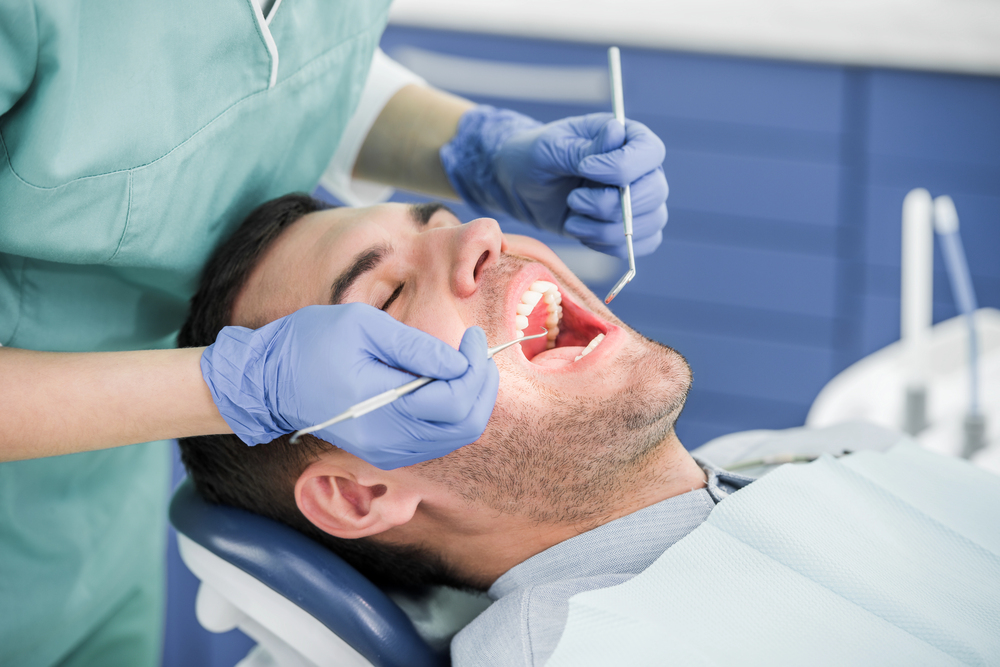
That dull ache behind your last molar — the one that flares up when you chew, makes it hard to floss, and sometimes leaves your jaw sore for days — is one of the most common reasons Lady Lake patients call our office. Wisdom teeth tend to announce themselves at inconvenient times, and waiting rarely makes them easier to manage. Whether you're a parent whose teenager just had third molars flagged on an X-ray, or an adult who's been living with a partially erupted tooth for years, we're here to look at it, explain what we see, and take care of it.
Wisdom teeth are the third molars at the very back of the mouth, and they usually try to come in during the late teens or early twenties. Many mouths simply don't have room for them. When that happens, the tooth can become impacted — stuck beneath the gum or angled against the neighboring molar — or it can erupt only partway, leaving a flap of gum tissue that traps food and bacteria. Wisdom teeth removal is the extraction of one or more of those molars before or after problems develop.
Not every wisdom tooth has to come out. Some erupt straight, fully, and in a position you can actually reach with a toothbrush. We evaluate each one individually. The patients we most often recommend removal for are those with pain or swelling at the back of the jaw, repeated gum infections around a partially erupted tooth, decay on a molar that can't be cleaned well, pressure or crowding against the tooth in front, or cysts and other changes visible on imaging. Lady Lake families in orthodontic treatment sometimes ask about wisdom teeth as well, and we're glad to discuss how third molars fit into the overall plan.
Removing a problem wisdom tooth does more than quiet the ache. It protects the healthy molar next door, which is often the real casualty of an impacted third molar pressing into its root or trapping decay along its back surface.
- Relief from recurring jaw pain, pressure, and swelling
- Fewer gum infections around partially erupted molars
- Easier brushing and flossing at the back of the mouth
- Protection for the neighboring second molar from decay and damage
- Less risk of the tooth causing trouble later, when healing tends to take longer
Timing matters too. Younger patients generally have less developed roots and more flexible bone, which is part of why removal is often recommended before symptoms start. For adults in Lady Lake who've postponed treatment, removal is still very much on the table — we just plan carefully and talk through what to expect.
What the Appointment Looks Like
It starts with an exam and imaging so we can see the position of each root and its relationship to surrounding structures. We'll show you what we're looking at, explain whether a simple extraction or a surgical extraction is appropriate, and answer questions before anything is scheduled. Both are services we provide in our office, and you don't need a referral to be seen.
On the day of treatment, the area is thoroughly numbed. For patients who feel anxious — and that's a lot of people when it comes to wisdom teeth — we offer nitrous oxide sedation and oral sedation so the visit feels calmer and shorter than you expect. A surgical extraction may involve opening the gum tissue and sectioning the tooth so it can be removed in pieces, which is often gentler than trying to lift an impacted tooth out whole. Stitches may be placed. If a dental emergency brings you in with a flared-up wisdom tooth, we do offer emergency appointments.
Healing Well Afterward
We send you home with written instructions and a point of contact. The first 24 hours are about protecting the blood clot in the socket: rest, no straws, no smoking, no vigorous rinsing. Cold compresses on the outside of the face help with swelling, and soft foods — eggs, yogurt, soup that isn't hot — make the first couple of days easier. Most people manage discomfort well with the plan we review with you.
After the first day, gentle warm salt-water rinses help keep the area clean. Swelling typically peaks early and then eases. Call us if pain increases several days in rather than improving, or if you notice a bad taste or fever, so we can take a look.
Insurance, Payment, and Getting Scheduled
We accept all major PPO insurance plans and file claims as a general practice, so wisdom tooth extractions are handled right here rather than sending you elsewhere. We also welcome self-pay and cash patients, and we offer flexible payment plans when treatment involves more than one tooth.
Lady Lake patients have been part of our practice for years — we've cared for this region from our Ocala office for more than three decades, with Dr. Hussein Salifu and Dr. Marco Geris leading our team. Call us to schedule an evaluation, and we'll give you a straight answer about whether removal makes sense for you.