
Implant-Supported Bridges in Lady Lake
When several teeth in a row are missing — or a long-standing bridge has finally given out — the gap rarely stays a cosmetic problem for long. Chewing shifts to one side, neighboring teeth start to drift, and the jawbone under the empty space slowly loses volume. For our patients from Lady Lake, an implant-supported bridge is often the answer that solves all three concerns at once: it fills the space, restores biting strength, and anchors into bone the way natural roots do.
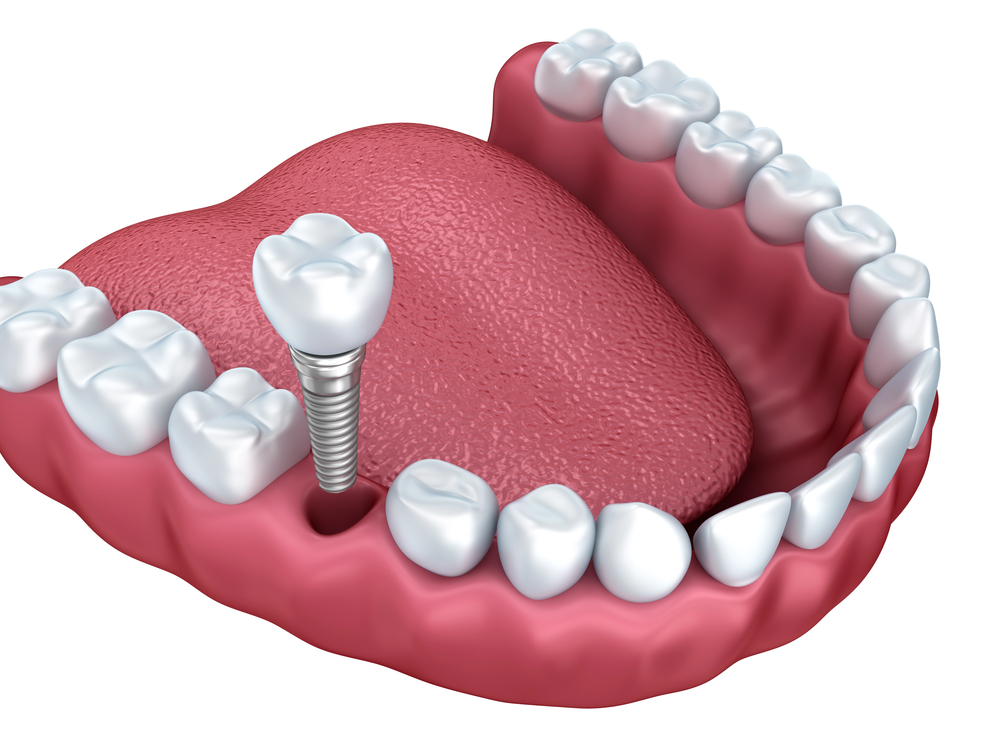
An implant-supported bridge replaces a run of missing teeth using dental implants as the foundation instead of your remaining natural teeth. A traditional bridge requires the dentist to reshape the healthy teeth on either side of the gap so they can carry crowns and hold the replacement teeth between them. An implant-supported bridge skips that step entirely. Two or more titanium implant posts are placed in the jaw where the roots used to be, and the bridge is secured on top of them.
Because the support comes from the bone rather than from neighboring teeth, the restoration is fixed — it doesn't come out at night, and you don't have to work around a removable partial. It also preserves tooth structure that would otherwise be permanently reduced. For patients replacing three or four teeth in a row, this often means fewer long-term compromises and a restoration that feels much closer to the teeth it replaced.
Most people missing two or more adjacent teeth are candidates, but the evaluation matters. We look at how much bone remains in the area, the health of your gums, how your bite comes together, and whether any neighboring teeth need attention first. Active gum disease is treated before implants are placed, and we offer scaling and root planing, periodontal surgery, and gum grafting when the foundation needs strengthening.
If bone volume has decreased after years without teeth, that doesn't automatically rule you out. We provide bone grafting and sinus lift surgery to rebuild support in the upper and lower jaw, which can make implant placement possible where it otherwise wouldn't be. Patients who have been told elsewhere that they lack enough bone are welcome to come in for a fresh look. We also see patients who need teeth removed first — simple and surgical extractions are handled here, so the whole sequence stays under one roof.
What the Process Looks Like
Treatment begins with an exam and imaging so we can map the bone and plan implant positions precisely. We review the findings with you in plain terms, explain the timeline, and discuss any preparatory work such as extractions or grafting before anything is scheduled.
Implant placement is a surgical appointment, and we offer nitrous oxide sedation and oral sedation for patients who feel anxious about it. After placement, the implants need time to fuse with the bone. During healing you are not left with a visible gap — we discuss temporary options so you can go about daily life comfortably. Once the implants have integrated, we take final impressions and fabricate the bridge.
- On-site dental lab, which keeps fabrication, adjustments, and repairs in-house rather than sending work out
- Sedation options for patients who are nervous about surgical visits
- Preparatory care — extractions, bone grafting, sinus lifts, gum treatment — available in the same practice
- Emergency appointments if something feels wrong between scheduled visits
- Implant maintenance visits to monitor the bridge and surrounding tissue over time
Caring for Your Bridge Afterward
An implant-supported bridge is cleaned much like natural teeth, with one addition: you'll need to clean underneath the bridge where it meets the gum. Our hygienists show you exactly how, using floss threaders, interdental brushes, or a water flosser depending on what fits your hands and your routine. Implants don't decay, but the gum and bone around them can become inflamed if plaque builds up, which is why this step matters.
Beyond home care, we schedule regular cleanings and implant maintenance appointments to check the fit of the bridge, the health of the surrounding tissue, and the condition of your bite. If you grind or clench, a night guard may be recommended to protect the restoration. Lady Lake patients who also manage jaw tension or TMJ symptoms can have that evaluated here as well.
Insurance, Payment, and Getting Started
We accept all major PPO insurance plans and file claims as a general practice, and we welcome self-pay and cash patients. For treatment that spans several appointments, flexible payment plans let you spread the cost out rather than handling it all at once.
We've cared for Central Florida families for over 30 years from our Ocala office, and Lady Lake patients make the trip regularly for implant work, dentures, and full mouth restoration. No referral is needed — call us to schedule a consultation and we'll tell you honestly what your options are.