
Crowns in Dunnellon
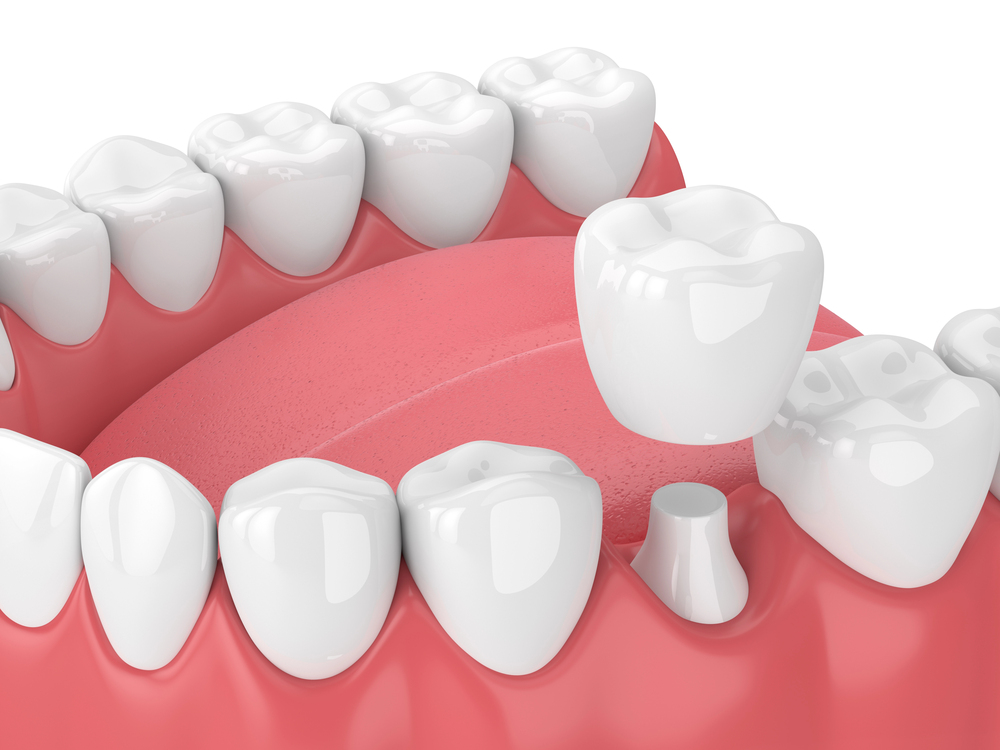
A cracked molar that twinges every time you chew, an old silver filling that's finally given out, a front tooth that's been patched one too many times — these are the everyday situations that bring our Dunnellon patients in asking about crowns. A dental crown is a custom-made cap that covers a damaged tooth completely, restoring its shape, strength, and appearance while protecting what's left of the natural tooth underneath. For many people, it's the difference between keeping a tooth for years to come and losing it.
Think of a crown as a protective shell. When a tooth has lost too much structure to hold a filling reliably — from decay, a fracture, heavy grinding, or wear over time — a crown wraps around the entire visible portion and holds everything together. It takes the pressure of chewing off the weakened tooth and spreads it across a strong, solid restoration.
We place crowns in a wide range of situations. After root canal therapy, a treated tooth is more brittle and almost always needs a crown to prevent fracture. A tooth with a large old filling that's beginning to crack benefits from the same protection. Crowns also restore dental implants, anchor fixed bridges that replace missing teeth, and improve the look of a tooth that's badly discolored or misshapen. Because we offer both restorative and cosmetic dentistry under one roof, we can talk through whether a crown, an onlay, bonding, or a veneer is the better fit for your particular tooth.
Most people who need a crown fall into one of a few groups. You may be a good candidate if you have a cracked tooth, a tooth that's been weakened by a large filling, a tooth that's just had root canal treatment, or significant wear from grinding. We also use crowns as part of larger plans, including full mouth reconstruction and implant-supported restorations.
Here's what crowns commonly do for our patients:
- Protect a cracked or weakened tooth from breaking further
- Restore comfortable chewing on a tooth that's become sensitive or unreliable
- Seal and strengthen a tooth after root canal therapy
- Replace a missing tooth when placed on an implant or as part of a bridge
- Improve the shape, size, and color of a tooth that looks out of place
Candidacy depends on how much healthy tooth structure remains and the condition of the gums and bone around it. If gum disease or decay is present, we address that first. We see patients of all ages, and since we handle periodontal care, endodontics, oral surgery, and prosthodontics in the same office, Dunnellon patients rarely need to be sent elsewhere to complete a plan.
What the Crown Process Looks Like
Your first visit starts with an exam and images so we can see exactly what's happening inside and around the tooth. We'll explain what we find, review your options, and answer your questions before anything begins. If the tooth is painful or broken right now, we also offer emergency appointments, including same-day emergency visits.
When you're ready to proceed, we numb the area and reshape the tooth so the crown can fit over it precisely. Decayed or damaged material is removed, and if the tooth needs extra support, we build it back up first. We then capture the shape of the prepared tooth and your bite. Because we have an on-site dental lab, we're able to offer same-day crowns — a real convenience for Dunnellon patients who'd rather not make a second trip. Once the crown is seated, we check the fit and your bite carefully and adjust until everything feels natural. For patients who feel anxious about dental work, nitrous oxide sedation and oral sedation are available.
Caring for Your Crown Afterward
A crown doesn't get cavities, but the natural tooth and gum line beneath it still can. Brush twice daily, floss around the crown every day, and keep up with regular cleanings and exams with our hygienist. Those visits let us check the margins of the crown and the health of the surrounding gum tissue before small problems grow.
Be gentle with ice, hard candy, and anything you'd hesitate to bite into with a natural tooth. If you grind or clench, ask us about a night guard — protecting the crown from that constant force is one of the best things you can do for it. Call us if the crown ever feels high, loose, or sensitive.
Insurance, Payment, and Scheduling
We accept all major PPO insurance plans and file claims for you so you know what your benefits cover before treatment begins. We also welcome self-pay and cash patients, and we offer flexible payment plans when a restoration is more than you'd planned for at once.
Our office has served Ocala and the surrounding communities, including Dunnellon, for over 30 years, with Dr. Hussein Salifu and Dr. Marco Geris caring for adults and children alike. Call us to schedule a crown consultation — we'll take a look, explain your choices plainly, and help you decide what makes sense.