
Oral Cancer Screening in Oxford
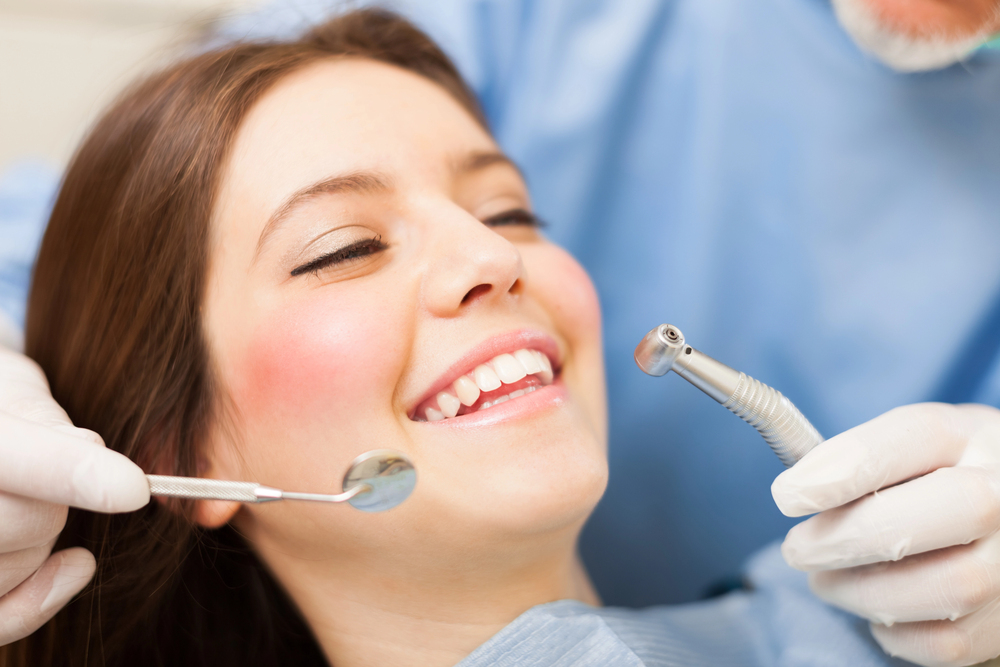
A patient from Oxford comes in for a routine cleaning, mentions a sore spot on the side of the tongue that has been there "a few weeks," and assumes it's from a chip in a tooth or a habit of biting the cheek. That small mention matters. Many of the changes we look for during an oral cancer screening are painless, easy to overlook, and located in places that are hard to see in a bathroom mirror — under the tongue, along the floor of the mouth, at the back of the throat, or inside the cheeks. A screening gives those areas a careful, deliberate look by someone trained to notice what has changed.
An oral cancer screening is a visual and tactile examination of the soft tissues of the mouth, head, and neck. We look at the lips, gums, tongue (including the underside and sides), the floor and roof of the mouth, the inside of the cheeks, and the back of the throat. We also feel along the jaw and neck for lumps, swelling, or areas of tenderness. The goal is to identify anything that looks or feels different from healthy tissue — white or red patches, sores that have not healed, rough or thickened areas, or changes in how tissue moves.
For our Oxford patients, this screening is built into the general dental exam rather than scheduled as a separate visit. When you come to our Ocala office for a dental exam and cleaning, you are already receiving this evaluation as part of preventive care. That convenience matters: it means consistent, repeated looks at your tissues over time, which is how subtle changes get noticed. We have cared for patients across Marion and Sumter County communities for over 30 years, and seeing the same mouths year after year is one of the most practical advantages of a long-standing practice.
- The screening is quick, non-invasive, and typically completed within your regular exam
- It covers areas you cannot easily check on your own, including the throat and under the tongue
- Our dental hygienist and dentists both look at soft tissue during visits, adding more than one set of eyes over the course of a year
- If we find something questionable, we can perform an oral biopsy in our office rather than sending you elsewhere for the first step
- Screenings are covered under the preventive portion of most PPO dental plans we accept
Beyond the clinical benefits, there is the simple matter of peace of mind. Many Oxford patients tell us they have noticed something and have been quietly worrying about it. Having a dentist look, explain what it likely is, and either reassure you or recommend a next step replaces uncertainty with a plan. Most of what we find is benign — irritation from a sharp tooth edge, a denture rubbing, a canker sore, or tissue changes from grinding — and those are conditions we can treat directly.
Who Should Be Screened and How Often
We screen patients of all ages as part of routine dental exams. Adults are the primary focus, and we pay particular attention when risk factors are present: tobacco use in any form, regular alcohol consumption, significant sun exposure affecting the lips, or a personal history of previous oral lesions. Florida's climate makes lip protection a real consideration for Oxford residents who spend time outdoors, working, golfing, fishing, or gardening.
You should also ask for a screening between visits if you notice a sore that has not healed in two weeks, a lump or thickening in the cheek or neck, persistent hoarseness, difficulty swallowing or chewing, numbness, or an unexplained patch of color change. We accept patients without a referral and offer emergency dental appointments, so there is no long waiting period to have a concerning area looked at.
What Happens Afterward
Most screenings end with reassurance and a note in your chart so we can compare at your next visit. When an area looks irritated but not alarming, we often remove the likely cause — smoothing a rough restoration, adjusting a denture, or fitting a night guard — and ask you to return in about two weeks so we can confirm the tissue has healed. That short follow-up window is a standard, careful approach.
If an area warrants further evaluation, we discuss an oral biopsy, explain what the procedure involves, and coordinate the next steps with you directly. Nothing proceeds without a clear conversation first.
Insurance, Self-Pay, and Payment Plans
We accept all major PPO insurance plans, and because screenings are part of a standard dental exam, they are generally included in preventive coverage. Our front desk can review your specific benefits before your appointment so there are no surprises.
We also welcome self-pay and cash patients from Oxford and surrounding communities, and we offer flexible payment plans for treatment that follows a screening — whether that's a biopsy, a restoration, or periodontal care. Cost should not be the reason a sore spot goes unexamined, and we will talk through options openly with you.