
Gingivectomy in McIntosh
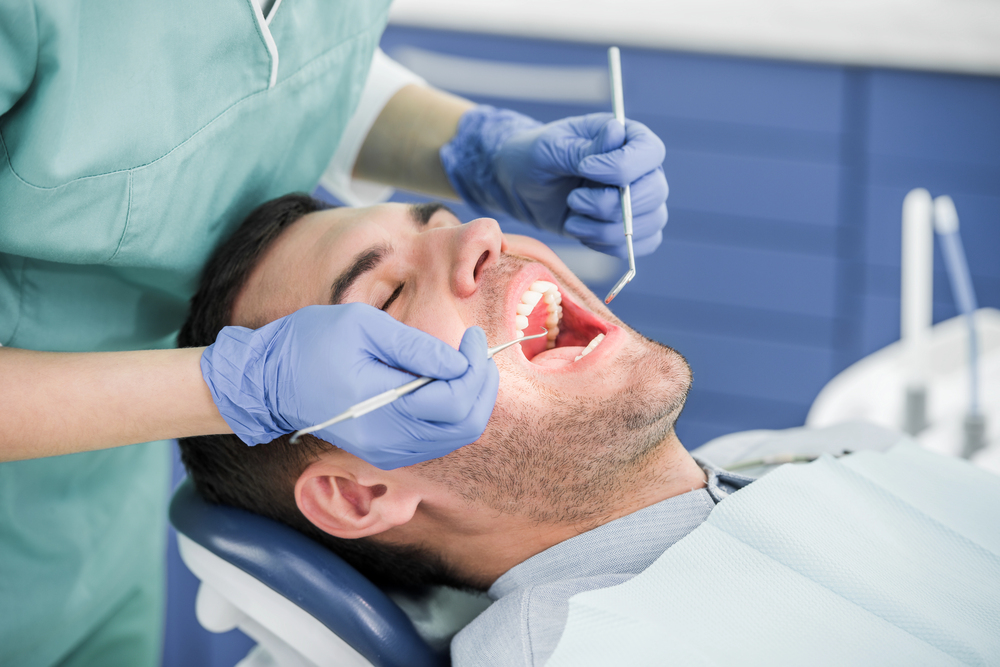
Excess gum tissue can make teeth look short and stubby, trap plaque along the gumline, or stay puffy and inflamed no matter how carefully you brush. A gingivectomy addresses that directly: it removes the overgrown or diseased gum tissue so the remaining gums sit at a healthier, more even level around your teeth. For patients in McIntosh, it's a treatment that solves both a health problem and a cosmetic one, often in a single visit.
A gingivectomy is the surgical removal of gum tissue. Depending on your situation, that may mean trimming away tissue that has grown over the crowns of your teeth, eliminating deep periodontal pockets where bacteria collect, or reshaping an uneven gumline so your smile looks balanced. We perform this procedure with traditional instruments or with laser dentistry, which is often used for precise tissue removal and tends to be gentle on the surrounding area.
The reasons patients come to us vary. Some have gum disease that has created pockets too deep to clean at home or with routine hygiene visits. Some have gum overgrowth related to medications or inflammation. Others are bothered by a gummy smile, where the teeth look short because the gums cover too much of the enamel. We also perform related procedures — crown lengthening, gum contouring, and gum grafting — so if your needs turn out to be slightly different than you expected, we can address them under one roof rather than sending you elsewhere.
We see patients of all ages, and McIntosh residents can come to us without a referral for periodontal care. Many people arrive after a hygienist has flagged deepening pockets, while others simply tell us they don't like how much gum shows when they smile. Both are valid starting points, and both begin with the same thing: an exam.
At that visit, we evaluate the health of your gums, measure pocket depths, and look at how your gumline relates to your teeth and lips. If active infection or heavy tartar buildup is present, we usually recommend scaling and root planing or other gum disease treatment first, because healthy tissue heals better and the final result is more predictable. If bone levels are involved, we'll discuss whether crown lengthening or periodontal regeneration is a better fit. Not everyone who asks about a gingivectomy needs one, and we'll tell you plainly if a different approach makes more sense.
What the Procedure and Recovery Look Like
The appointment itself is straightforward. We numb the area thoroughly, then remove and reshape the targeted tissue, checking the contour as we go so the gumline follows the natural curve of each tooth. Most gingivectomies are completed in one visit. For patients who feel uneasy about dental work, we offer nitrous oxide sedation and oral sedation, and we're glad to discuss those options in advance rather than on the day of treatment.
Afterward, expect some tenderness and sensitivity for a few days. We send you home with specific instructions and see you back to confirm the tissue is healing as it should.
- Stick to soft, cool foods for the first several days and avoid anything crunchy, spicy, or very hot
- Keep brushing the rest of your mouth normally, and follow our directions for cleaning near the treated area
- Expect the gums to look slightly different as they settle into their final shape over the following weeks
- Avoid tobacco during healing, since it interferes with gum tissue recovery
- Call us if bleeding, swelling, or discomfort increases instead of improving
Once healing is complete, maintenance matters. Periodontal maintenance cleanings on a schedule we set together help keep pockets from redeveloping, particularly for patients whose gingivectomy was performed to treat gum disease.
Scheduling, Insurance, and Payment for McIntosh Patients
We've practiced in Ocala for more than 30 years and treat patients from McIntosh and throughout Marion County, including Reddick, Belleview, and Silver Springs. Because we handle general, restorative, cosmetic, and periodontal care in the same office — and because we have an on-site dental lab — you can usually consolidate your treatment here instead of coordinating across multiple offices. If a gingivectomy is part of a larger plan involving crowns, veneers, or implants, that lab is a real convenience.
We accept all major PPO insurance plans and file claims as a general practice. We also welcome self-pay and cash patients, and we offer flexible payment plans so cost doesn't have to delay care you need. Before any treatment begins, we'll walk you through what's recommended, why, and what your financial responsibility looks like.
We also keep room for emergency appointments, so if gum pain or swelling comes on suddenly, call us — we'd rather see you sooner than later.