
Temporomandibular Joint (TMJ/TMD) Therapy in McIntosh
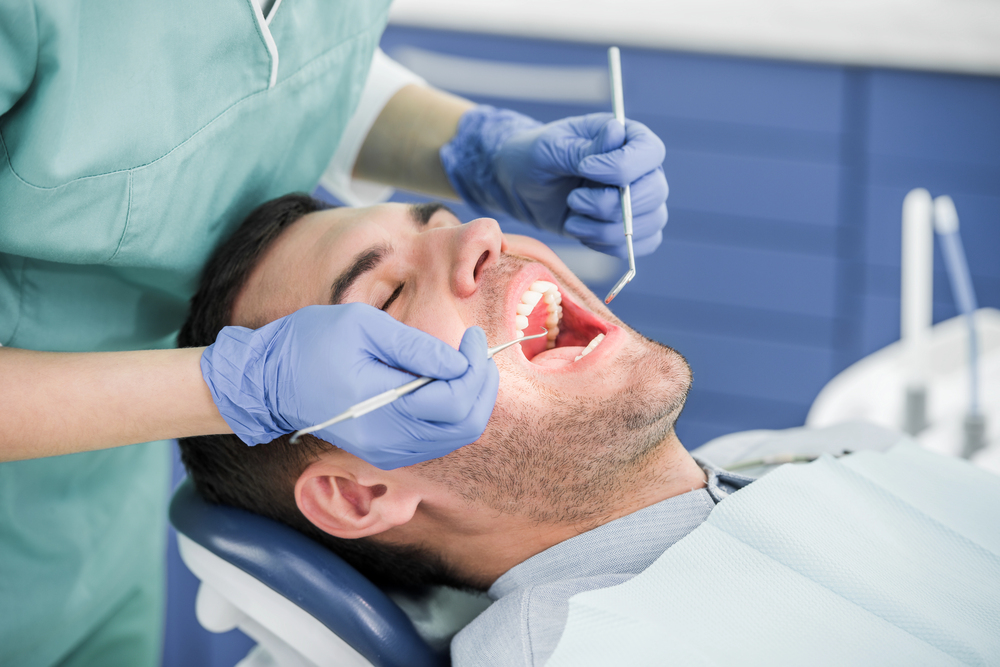
Jaw pain has a way of showing up in the small moments — a morning cup of coffee that's hard to sip, a bagel that takes more effort than it should, a click every time you yawn in a meeting. For our patients from McIntosh, those everyday frustrations are often the first sign of a temporomandibular joint disorder, and they're the reason we offer dedicated TMJ/TMD therapy as part of our care.
The temporomandibular joints are the two hinges that connect your lower jaw to your skull, just in front of each ear. They handle an enormous amount of work every day — chewing, speaking, swallowing, yawning — and they rely on a coordinated system of muscles, ligaments, and a small cushioning disc. When any part of that system is strained or out of position, the result is what's broadly called TMD, or temporomandibular joint dysfunction. Symptoms vary widely from person to person, which is part of what makes the condition so easy to misread.
In our orofacial pain care, we treat jaw clicking, locking, and limited movement, evaluate jaw-related headaches, and manage chronic facial pain alongside TMJ disorders themselves. Some McIntosh patients come to us because they can't open wide enough to eat comfortably. Others describe a dull ache that spreads into the temples, ears, or neck, or a jaw that catches partway open and has to be worked loose. We take all of these seriously, because the underlying mechanics often overlap even when the complaints sound different.
TMJ therapy begins with listening and examining, not with treatment. We ask when the symptoms started, what makes them worse, and whether you notice grinding or clenching — many people only learn about their nighttime habits from a partner or from worn, flattened tooth surfaces. We then evaluate how your jaw opens and closes, where it deviates, which muscles are tender to gentle pressure, and how your teeth come together, since bite relationships frequently play a role.
From there, care is tailored rather than one-size-fits-all. A custom night guard is one of the most common tools we provide, protecting teeth from grinding forces and helping jaw muscles relax. Because we have an on-site dental lab, appliance work and related restorative steps can often be handled efficiently without long waits for outside labs. When worn, cracked, or missing teeth are contributing to an unstable bite, we can address those with restorative options such as crowns, onlays, bridges, or fuller rehabilitation. When tooth position is the issue, orthodontic options including Invisalign and other clear aligners may be part of the conversation. If a damaged tooth is also causing pain, we can diagnose and treat it directly, including root canal therapy or extraction when needed.
What McIntosh Patients Can Expect From Treatment
Most people want to know what improvement actually looks like day to day. The goals of TMJ/TMD therapy are practical ones:
- Less jaw, facial, and temple discomfort during ordinary activities like eating and talking
- Smoother jaw movement with reduced clicking, catching, or locking episodes
- Protection for teeth and existing dental work against grinding and clenching forces
- A clearer understanding of what triggers your symptoms and how to manage them
- A more stable, comfortable bite when tooth wear or missing teeth are involved
Good candidates include adults and teens with ongoing jaw pain, frequent headaches centered around the temples, noisy or restricted jaw movement, or visible tooth wear. We see patients of all ages, and we accept patients without a referral for orofacial pain care — so you can simply call and schedule. If a jaw injury or sudden locking episode occurs, we also offer emergency dental appointments, including same-day availability for urgent situations.
Aftercare and Staying Comfortable Long Term
TMD management is usually ongoing rather than a single fix. We review home strategies that support healing: softer foods during flare-ups, avoiding wide yawning and gum chewing, applying warmth to sore muscles, and becoming aware of daytime clenching. If you receive a night guard, we'll show you how to wear, clean, and store it, and we'll check its fit at follow-up visits, adjusting as needed.
Regular exams and cleanings also matter here, because our hygienist and dentists can spot new wear patterns or bite changes early. For McIntosh patients, combining a TMJ check-in with routine preventive care keeps trips efficient.
Insurance, Payment, and Getting Started
We accept all major PPO insurance plans and file claims as a general practice. We also welcome self-pay and cash patients, and we offer flexible payment plans so treatment can be scheduled in a way that fits your budget.
Ocala Dental Care has served this region for over 30 years, and Dr. Hussein Salifu and Dr. Marco Geris care for patients from McIntosh and surrounding Marion County communities. If jaw pain, clicking, or headaches have become part of your routine, call us to arrange an evaluation.