
Wisdom Teeth Removal in McIntosh
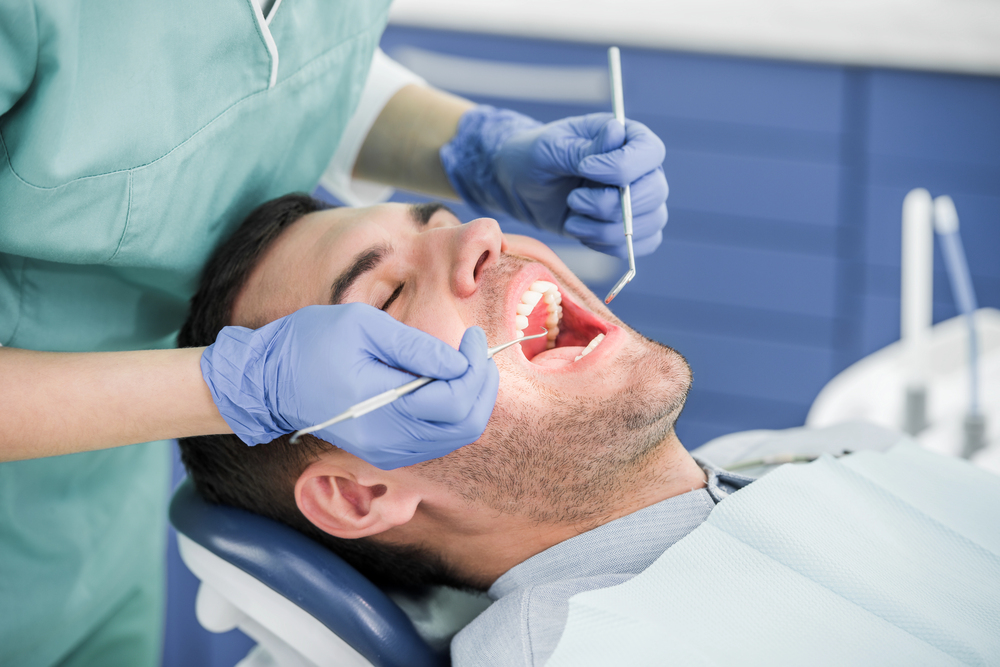
A high schooler from McIntosh comes in with a dull ache behind the last molar that flares up when chewing. A college student home for break notices swollen, tender gum tissue that makes brushing that back corner nearly impossible. A parent in their forties learns at a routine exam that a tooth they never knew was there has been quietly pressing against a neighboring molar for years. These are the everyday situations that bring wisdom teeth into the conversation, and they are among the most common reasons McIntosh patients schedule a consultation with us.
Wisdom teeth are the third molars, the last four teeth to develop, usually appearing in the late teens or early twenties. For some people they come in straight, fully erupt, and function like any other molar. For many others, the jaw simply does not have room. The tooth can emerge partially, tilt sideways, or stay fully trapped beneath bone and gum tissue — a situation called impaction.
Removal means surgically or simply extracting those molars before or after they cause trouble. A tooth that has erupted normally can often be taken out with a simple extraction. A tooth that is impacted, angled, or still partly covered requires a surgical extraction, which involves accessing the tooth through the gum tissue and sometimes sectioning it so it can be removed in pieces through a smaller opening. Both approaches are part of our oral and maxillofacial surgery care, and McIntosh patients do not need a referral from another dentist to be seen.
Not every wisdom tooth has to come out. The decision starts with an exam and imaging to see the position of each third molar, how close it sits to nerves and sinuses, and whether it is realistically cleanable long term. From there we talk through what we see and what it means for you specifically.
Removal is commonly considered when any of the following apply:
- Pain, pressure, or recurring swelling around the back of the jaw
- Partially erupted teeth that trap food and bacteria and lead to gum infection
- Crowding or pressure against the second molars, including damage to a neighboring tooth
- Decay in a wisdom tooth that is too far back to restore or keep clean
- Cysts or other changes visible on imaging
- Orthodontic planning, when third molars complicate treatment with braces or clear aligners
The benefits are practical. Taking out a problem tooth removes a chronic infection risk, protects the healthy molar in front of it, makes hygiene easier in a hard-to-reach area, and ends the cycle of flare-ups that tend to arrive at inconvenient times. Younger patients often heal comfortably because the roots are not yet fully formed, which is one reason we encourage families in McIntosh to have third molars evaluated early rather than waiting for symptoms.
What the Appointment Is Like
We begin with a consultation: imaging, an exam, a discussion of how many teeth need to come out, and a clear explanation of whether each one is a simple or surgical extraction. We also review your health history and any medications, since that affects planning and healing.
Comfort is planned ahead of time, not improvised. Along with local anesthetic, we offer nitrous oxide sedation and oral sedation for patients who feel anxious about dental surgery or who want a calmer experience for multiple extractions in one visit. During the procedure, the area is fully numb; you may feel pressure and movement, but not sharpness. Afterward we place gauze, give written and spoken aftercare instructions, and make sure someone is ready to take you home if you have been sedated.
Healing and Aftercare
The first 24 hours matter most. Keep firm pressure on the gauze, rest, use cold compresses on the outside of the face, and stick to soft, cool foods. Avoid straws, smoking, vigorous rinsing, and spitting, since suction can disturb the blood clot that protects the socket. Swelling typically peaks in the first couple of days and then eases.
After the first day, gentle warm salt-water rinses help keep the sites clean, and you can slowly return to a normal diet as comfort allows. We want to hear from you if pain increases rather than decreases, if swelling worsens, or if something simply does not feel right — we keep room for emergency appointments, so McIntosh patients are not left waiting through a weekend wondering.
Insurance, Payment, and Scheduling from McIntosh
We accept all major PPO insurance plans and file surgical extraction claims as a general practice, and we welcome self-pay patients. When treatment involves several teeth or sedation, flexible payment plans let you spread the cost out.
Because we handle extractions, implants, root canals, orthodontics, and restorative work in one office — with an on-site dental lab — McIntosh families can keep care consolidated instead of driving to a different office for each step. Our team has served this region for more than 30 years, and Dr. Hussein Salifu and Dr. Marco Geris see patients of all ages. Call us to schedule a wisdom teeth evaluation.