
Invisalign in McIntosh
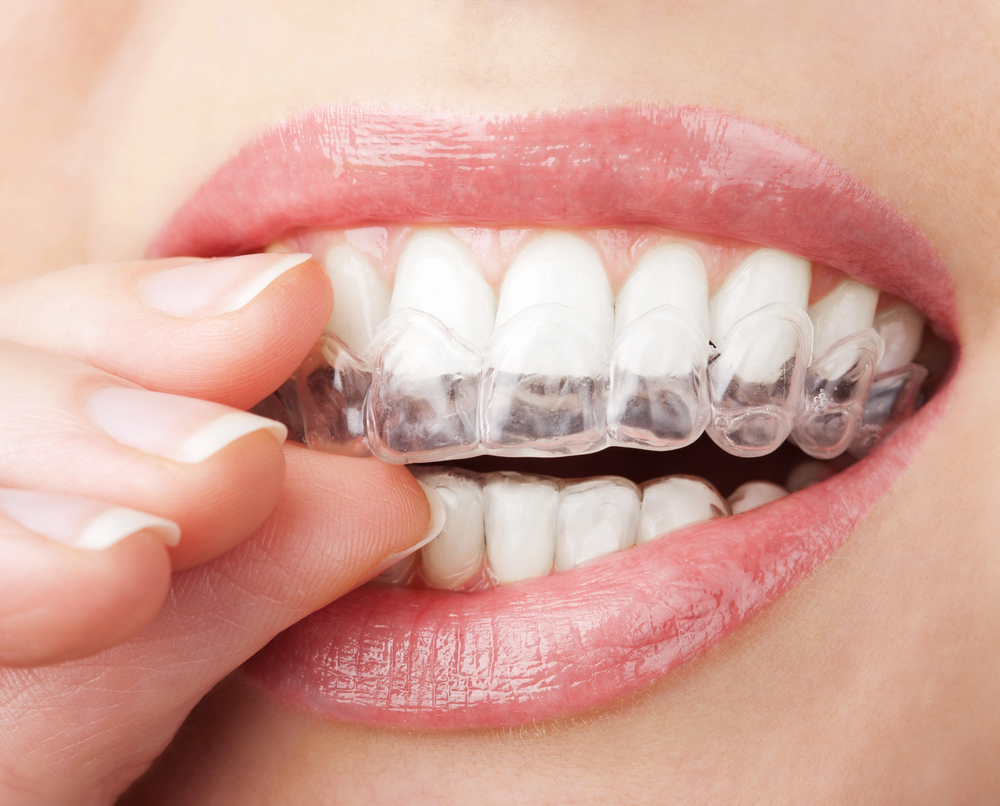
Crooked or crowded teeth rarely stay a cosmetic concern for long. Overlapping teeth trap plaque where a brush can't reach, uneven bites wear down enamel in spots, and gaps shift over time. For patients in McIntosh who want straighter teeth without the look and upkeep of metal braces, Invisalign offers a way to correct alignment with a series of clear, removable trays. We've been straightening, restoring, and repairing smiles in Marion County for more than 30 years, and McIntosh residents are a regular part of our day.
Invisalign uses a sequence of custom-made clear plastic aligners that fit snugly over your teeth. Each tray is shaped slightly differently from the one before it, so wearing them in order moves your teeth in small, planned steps. You typically wear each set for a couple of weeks, then move on to the next. The trays are removable, which means you take them out to eat, brush, and floss — a meaningful difference from fixed brackets and wires.
Because the aligners are clear, most people won't notice you're wearing them. That matters for adults who work with the public, for high schoolers who'd rather not announce their orthodontic treatment, and for anyone who has put off straightening their teeth because of how braces look. We treat both children and adults here, so a parent and a teenager from the same McIntosh household can be seen under one roof.
Several different situations bring McIntosh patients to us asking about clear aligners. Some have crowding that makes flossing a daily struggle and want to lower their risk of decay and gum problems. Others had braces years ago, stopped wearing a retainer, and watched their front teeth drift back out of line. Some are planning cosmetic work — veneers, bonding, or crowns — and want the teeth in better position first so the final result looks natural.
Invisalign isn't right for every case, and we'll tell you plainly if it isn't right for yours. Candidacy depends on how much movement your teeth need, your bite, and the health of your gums and supporting bone. Active gum disease or untreated decay needs to be addressed before aligner treatment begins; we handle gum disease treatment, fillings, and cleanings in-house, so you don't have to coordinate that elsewhere. Success also depends heavily on you — aligners only work while they're in your mouth, so consistent daily wear is part of the deal.
- A consultation and exam to evaluate your teeth, bite, and gum health
- Digital records and impressions used to map out your tooth movement
- A custom series of aligners made for your mouth, worn in order
- Periodic check-in visits so we can confirm your teeth are tracking as planned
- Retainers at the end to hold your new alignment in place
What Treatment Looks Like From Start to Finish
Your first visit is an evaluation. We look at alignment, spacing, how your upper and lower teeth meet, and whether anything else needs attention first. From there we take the records used to plan your movement sequence and produce your aligners.
Once your trays arrive, we'll show you how to seat and remove them and explain the wear schedule. You'll switch to a new set on a set timeline and come in periodically so we can verify progress. Treatment length varies by case — simple spacing corrections move faster than significant crowding or bite issues. If you started aligner or braces treatment somewhere else and moved, we accept orthodontic transfer patients, and we also provide retainers for people who were treated at another office and need a replacement.
Keeping Your Results After the Last Aligner
Teeth have a tendency to drift back toward where they started, which is why retainers aren't optional. We'll provide retainers at the end of treatment and go over how often to wear them. Wearing them as directed is the single most reliable way to protect the time and money you put into straightening your teeth.
Day-to-day care stays straightforward: brush and floss normally with the trays out, rinse your aligners, and keep up with regular cleanings and exams. If you grind your teeth at night, we also make night guards, which can protect both your enamel and your finished alignment.
Insurance, Payment, and Scheduling From McIntosh
We accept all major PPO insurance plans and file orthodontic claims as a general practice. We also welcome self-pay patients, and we offer flexible payment plans so the cost can be spread out rather than paid all at once. We'll go over what your plan covers and what your out-of-pocket portion looks like before you commit.
No referral is needed. McIntosh patients can schedule a consultation directly with us, and because we handle general, restorative, cosmetic, and emergency care at the same location — with an on-site dental lab for same-day crowns, dentures, and denture repairs — most of what you need before, during, and after Invisalign happens in one place.