
Bridges in McIntosh
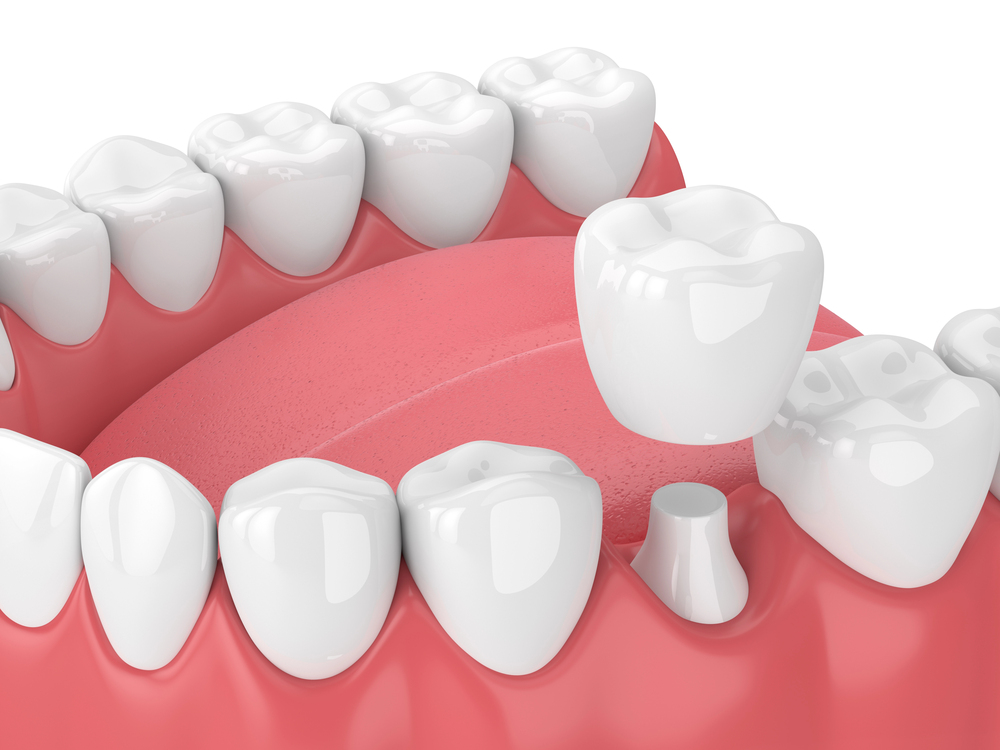
A missing tooth rarely stays a simple problem. Many of our McIntosh patients first notice it when chewing shifts to one side, or when a neighboring tooth starts to lean into the empty space. Someone may have lost a molar to a deep fracture years ago and lived with the gap, only to find that the opposing tooth has begun to drift. A dental bridge is one of the most dependable ways to close that space, restore comfortable chewing, and keep the rest of the bite in its proper place.
A bridge is a fixed restoration that spans the gap left by one or more missing teeth. The replacement tooth, called a pontic, is anchored on either side by crowns cemented onto the adjacent natural teeth, or supported by dental implants when the neighboring teeth aren't suitable anchors. Unlike a removable partial denture, a bridge stays in place. You brush it, eat with it, and otherwise treat it much like the teeth around it.
For patients coming to us from McIntosh, bridges tend to come up in a few recurring situations: a single missing tooth with healthy teeth on both sides, a tooth that cannot be saved and is scheduled for extraction, or an older restoration that has worn out and needs replacing. We also provide implant-supported bridges for patients missing several teeth in a row, where implants carry the load instead of natural teeth. Deciding between those approaches is part of the exam, not something we settle before we've looked at your bite, your gum health, and the condition of the teeth on either side of the gap.
Replacing a missing tooth is about more than appearance, though appearance matters. Teeth support one another. When one is gone, the forces of chewing redistribute in ways your jaw was never designed to handle, and over time that shows up as uneven wear, food trapping, and strain.
- Restores comfortable chewing on both sides of your mouth
- Keeps neighboring teeth from tipping or drifting into the open space
- Supports clearer speech, especially with front teeth
- Fills out the smile line so the gap no longer shows
- Stays fixed in place, with no removal for cleaning or sleeping
Candidacy depends largely on the supporting structures. Traditional bridges need sound abutment teeth and healthy gums underneath. If gum disease is present, we address that first, whether through scaling and root planing, periodontal maintenance, or more involved periodontal care. If a supporting tooth has deep decay or an infected nerve, root canal therapy may come before the bridge. When neither neighboring tooth is a good candidate, dental implants or an implant-supported bridge may be the better long-term path. We take the time to explain which options genuinely apply to your situation.
What the Process Looks Like
Treatment begins with an exam, imaging, and a conversation about what you want from the result. If an extraction is needed, we handle simple and surgical extractions here, and we offer bone grafting and sinus lift surgery when an implant-supported plan calls for it. For anxious patients, nitrous oxide and oral sedation are available.
At the preparation visit, we reshape the abutment teeth so the crowns will seat properly, then capture impressions or digital records of the prepared area and your bite. Our on-site dental lab is a meaningful advantage here — fabrication happens in our own building rather than being shipped out, which shortens turnaround and lets our dentists communicate directly with the technicians about shade, shape, and contour. Dr. Hussein Salifu and Dr. Marco Geris check the fit, margins, and bite at the seating appointment, adjusting until the bridge feels natural when you close and chew.
Aftercare is straightforward but matters. Brushing twice daily, cleaning beneath the pontic with floss threaders or an interdental brush, and keeping regular cleanings and exams with our hygienist all protect the supporting teeth from decay at the crown margins. If you grind or clench, a night guard helps shield the restoration. Should the bridge ever chip or loosen, we offer emergency appointments and can often address repairs with our in-house lab.
Insurance, Payment, and Getting Started
We accept all major PPO insurance plans and file claims as a general practice, including for the periodontal, surgical, and prosthodontic phases of care. Self-pay patients are welcome, and flexible payment plans are available so a multi-visit restoration can be budgeted over time. We'll review the estimate with you before treatment begins.
McIntosh patients have relied on our Ocala office for more than thirty years of general, restorative, and cosmetic care, and no referral is needed to be seen. Call us to schedule an evaluation and we'll walk through whether a bridge is the right fit for your smile.