
Dental Fillings in McIntosh
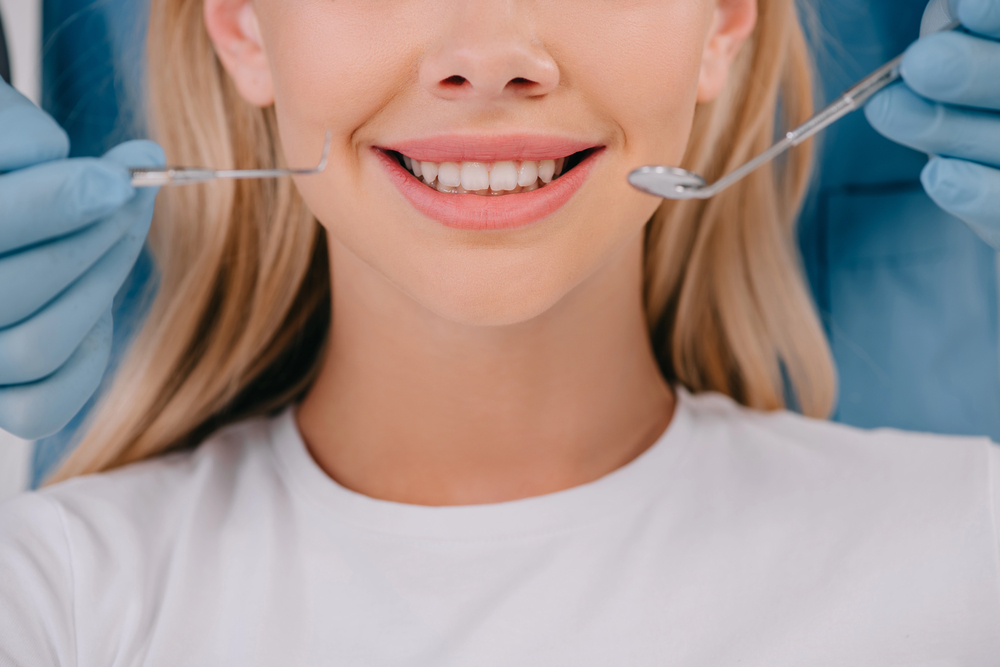
A small twinge when you sip something cold, a dark spot you noticed in the mirror, or a rough edge your tongue keeps finding — these are often the first signs that a tooth needs a filling. Decay rarely announces itself loudly in the beginning, which is why so many cavities are caught during routine exams rather than during a painful emergency. For families in McIntosh, treating a cavity early with a simple filling is one of the most straightforward ways to keep a tooth strong, comfortable, and whole for years to come.
A dental filling restores a tooth after decay or damage has removed part of its natural structure. We clean out the affected area, then rebuild the tooth with material that seals the space, restores the chewing surface, and protects the inner layers of the tooth from further bacteria and sensitivity. Without that seal, a small cavity tends to grow quietly beneath the enamel until it reaches the nerve — and at that point, treatment moves from a simple filling to root canal therapy or a crown.
Fillings are part of the broader restorative dentistry care we provide, and they often work alongside other services. A tooth with a large area of damage may do better with an onlay or a crown, both of which we can create with help from our on-site dental lab. A cracked tooth may need a different approach entirely. Part of our job is being honest with McIntosh patients about which option actually fits the tooth in front of us, rather than treating every situation the same way.
Most people who have a cavity are candidates for a filling, and we see patients of all ages — children, teenagers, and adults. Children with early decay in baby or permanent molars, adults with wear along the gumline, and older patients with recurring decay around older restorations all commonly benefit. Because we treat families together, a McIntosh household can often handle exams, cleanings, and needed fillings without juggling multiple offices.
Some situations call for more than a filling. If decay has reached the nerve, root canal therapy may be needed before the tooth is rebuilt. If a tooth is cracked or badly broken, a crown or onlay may provide better long-term protection. If grinding is wearing teeth down, a night guard may be part of the conversation so new restorations are not under constant stress. We talk through these possibilities before we begin, so nothing comes as a surprise mid-appointment.
What Your Appointment Looks Like
A filling visit is usually a single appointment. We start by reviewing the tooth, confirming the extent of the decay, and numbing the area so you stay comfortable throughout. For patients who feel uneasy in the chair, we also offer nitrous oxide sedation and oral sedation dentistry — worth mentioning when you schedule so we can plan time accordingly.
Here is what you can generally expect:
- A thorough exam and discussion of what we see before any treatment begins
- Local anesthetic so the tooth and surrounding tissue are numb
- Careful removal of the decayed portion of the tooth
- Placement and shaping of the filling material to match your natural tooth contours
- A bite check, so the restored tooth meets its opposite tooth comfortably
Afterward, numbness typically lingers for a short while, so we suggest waiting to eat until sensation returns — especially for children, who may bite a numb lip or cheek. Mild sensitivity to temperature or pressure in the days that follow is common and usually fades. Brush and floss the tooth normally. If your bite feels high, or sensitivity persists or worsens, call us; a quick adjustment is often all that's needed. Keeping up with cleanings, exams, fluoride treatment, and sealants where appropriate helps prevent the next cavity from forming.
Payment, Insurance, and Getting Seen
We accept all major PPO insurance plans and file claims as a General Practitioner, and we welcome self-pay and cash patients as well. For treatment that goes beyond a single filling — a crown, a root canal, or several teeth at once — we offer flexible payment plans so cost doesn't become the reason a tooth goes untreated.
McIntosh patients are a steady part of our practice, and we've cared for this region of Marion County for over thirty years. We're members of the FDA and the Central Florida District Dental Association, and our team includes Dr. Hussein Salifu and Dr. Marco Geris, a dental hygienist, and staff across general, restorative, and cosmetic care. If a tooth is already hurting or a filling has broken, we offer emergency dental appointments — call us and we'll find a time.