
Periodontal Maintenance in Lady Lake
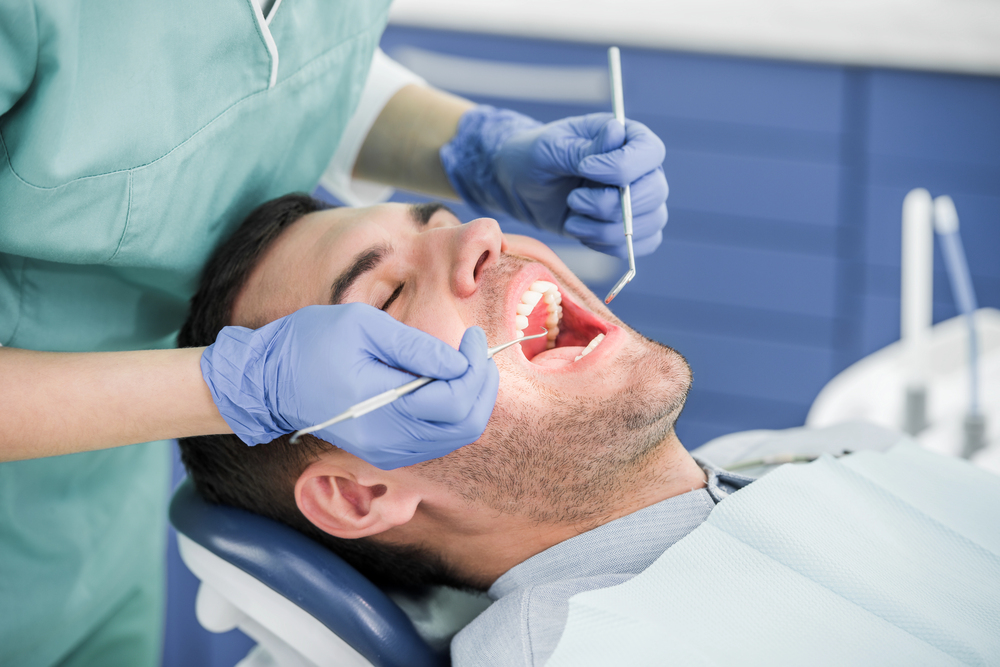
Once gum disease has been treated, the bacteria that caused it don't simply disappear — they begin rebuilding along the gumline within weeks. That's why periodontal maintenance exists as its own category of care, separate from a standard cleaning. It's an ongoing cleaning program designed for people who have already been treated for gum disease, and for many of our Lady Lake patients, it's the single most important appointment they keep all year.
Periodontal maintenance is a specialized cleaning that reaches below the gumline, into the pockets that form between the tooth root and the gum tissue when periodontal disease has been present. A routine cleaning polishes and removes buildup above and slightly below the gumline on healthy gums. Maintenance goes further: we clean the root surfaces inside those deeper pockets, measure and record pocket depths each visit, and watch for any area that is trending in the wrong direction.
We generally recommend this care for patients who have completed scaling and root planing or periodontal surgery, those with a history of bone loss around the teeth, and patients who have had gum grafting or crown lengthening. It's also a good fit for patients with dental implants, since the tissue around an implant needs the same attentive monitoring as natural teeth. Many Lady Lake patients come to us after being told elsewhere that their gums "need watching" — we're glad to evaluate and explain exactly where things stand, and we accept patients without a referral.
Your first maintenance appointment with us begins with a conversation. We want to know what treatment you've had, how your gums have felt since, whether you notice bleeding when you brush, and whether anything has changed with your health or medications. Diabetes, smoking, dry mouth from prescription drugs, and hormonal changes all influence how gum tissue responds, so these details matter.
From there, our hygienist charts your pockets tooth by tooth and checks for bleeding points and recession. We'll take any images needed to see bone levels. Then comes the cleaning itself: careful removal of plaque and hardened tartar from the crowns and root surfaces, smoothing of rough spots where bacteria like to anchor, and polishing. We can use topical numbing or local anesthetic if an area is sensitive, and nitrous oxide sedation is available for patients who find dental visits stressful. We finish by reviewing what we found with you, discussing home care technique for the specific spots that are giving you trouble, and setting your next interval — often every three or four months, since that's roughly how long it takes for harmful bacteria to repopulate.
What Lady Lake Patients Gain From Staying on Schedule
Consistency is what makes this work. Patients who keep their intervals tend to experience fewer surprises and less need for repeat surgical treatment, because problems get caught while they're still small and reversible.
- Deep cleaning of root surfaces that brushing and flossing simply cannot reach
- Ongoing measurement of pocket depths so changes are spotted early
- Fresher breath and reduced gum bleeding and tenderness
- Protection for the bone that holds your teeth in place
- Monitoring of existing crowns, bridges, implants, and dentures
- Oral cancer screening as part of your regular visits
Because we serve Lady Lake alongside The Villages, Summerfield, Oxford, Weirsdale, and Belleview, we're used to coordinating appointments for patients traveling in from across the area, including spouses who prefer back-to-back visits. Our on-site dental lab means that if your maintenance visit uncovers a cracked crown or a denture that needs repair, we can often address it without sending you elsewhere or scheduling a separate trip.
Aftercare and Life Between Appointments
Your gums may feel slightly tender for a day or two after a maintenance visit, especially if deeper pockets were cleaned. Warm salt-water rinses help, and we'll let you know if a sensitivity toothpaste would be useful. You can eat normally unless we tell you otherwise.
Day-to-day, the goal is disrupting plaque before it hardens. That means brushing twice daily, cleaning between the teeth every day with floss or the interdental tools we recommend for your spacing, and not skipping the back molars where pockets tend to run deepest. Call us if you notice new bleeding, swelling, a bad taste that won't clear, or a tooth that feels loose — we offer emergency appointments and would rather see you early.
Insurance, Self-Pay, and Payment Plans
We accept all major PPO insurance plans and file claims as a general practice. Many plans cover periodontal maintenance at a higher frequency than standard cleanings, and we're happy to help you understand your specific benefits before treatment.
We also welcome self-pay patients and offer flexible payment plans so cost doesn't push necessary care down the road. Ocala Dental Care has cared for this region for more than 30 years under Dr. Hussein Salifu and Dr. Marco Geris, and we're glad to answer questions from Lady Lake patients at any point.