
Root Canal Therapy in Lady Lake
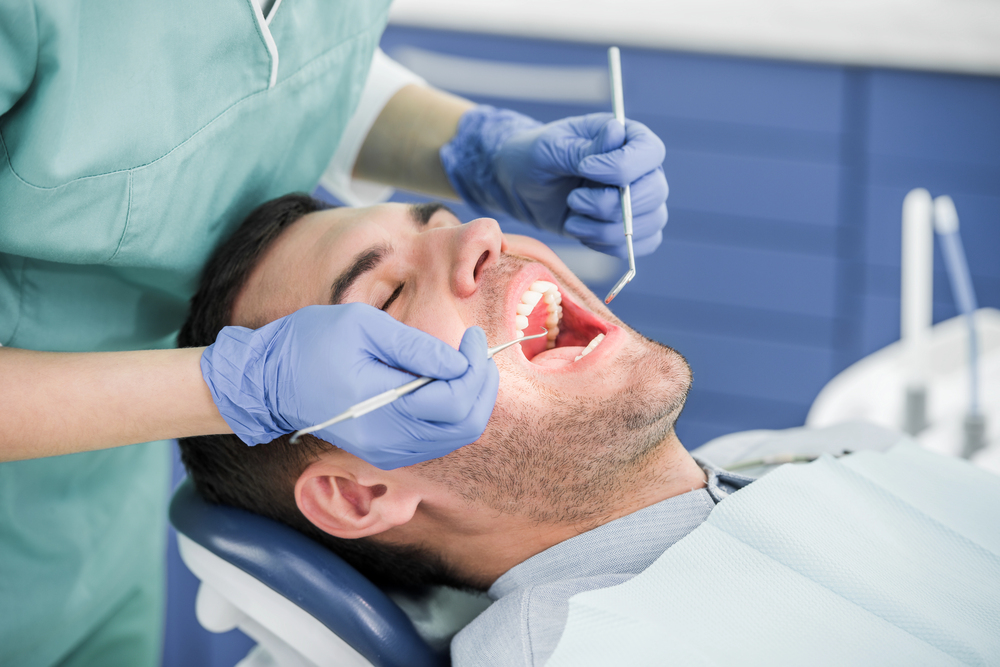
That throbbing ache that wakes you at 2 a.m., the sharp jolt when you sip hot coffee, the tooth that feels bruised every time you bite down — these are the signals that bring many of our Lady Lake patients to the phone. Pain like this usually means the nerve tissue inside a tooth is inflamed or infected, and it rarely settles on its own. The good news is that saving the tooth is often entirely possible, and you don't need a referral to get started with us.
Root canal therapy treats the pulp — the soft tissue of nerves and blood vessels inside the hollow center of your tooth. When decay reaches that chamber, when a filling fails, or when a crack lets bacteria in, the pulp becomes inflamed and then infected. Left alone, that infection can spread into the bone around the root and form an abscess. Treatment removes the damaged pulp, disinfects and shapes the canals, and seals them so bacteria can't return. Your natural tooth stays in your mouth, doing the job it was built to do.
We also see patients who have had a root canal elsewhere that didn't fully resolve. Retreatment is part of what we offer: reopening the tooth, cleaning canals that may have been missed or have become recontaminated, and resealing them. Traumatic injuries — a tooth knocked or cracked in a fall, an accident, or a sports mishap — are another common reason the pulp needs attention, and those situations are often time-sensitive.
Teeth are not all built the same, which is why the treatment is described by tooth type. Anterior root canals involve the front teeth — incisors and canines. These usually have a single, relatively straight canal, so treatment tends to be the most straightforward of the three. They matter enormously for appearance and speech, and preserving a front tooth avoids the cosmetic complications that come with losing one.
Premolar teeth sit between the front teeth and the molars and typically have one or two canals. They do real chewing work while still being visible when you smile widely, so they sit in the middle of the range in both complexity and cosmetic importance. Molar root canals are the most involved — molars commonly have three or more canals, and those canals can curve and branch. The back teeth absorb the heaviest chewing forces, so after treatment a molar almost always needs a crown to protect it from fracture. Anterior teeth sometimes do well with a filling or bonded restoration instead, depending on how much tooth structure remains.
What Treatment Looks Like From Start to Finish
We begin with an exam and imaging to confirm the pulp is the source of the problem and to map how many canals your tooth has. The tooth and surrounding tissue are thoroughly numbed before anything begins. We then open the top of the tooth, remove the infected pulp, clean and shape each canal, and fill them with a sealing material. A temporary or permanent restoration closes the opening.
For patients who feel anxious about dental work, nitrous oxide sedation and oral sedation are available. Here is what Lady Lake patients can generally expect:
- A clear explanation of findings and options before treatment starts
- Local anesthetic so the procedure itself is comfortable
- Treatment timed to the tooth's complexity — anterior cases are often shorter than molar cases
- An on-site dental lab, which allows us to make same-day crowns for teeth that need one
- Same-day emergency appointments when pain or swelling can't wait
Healing, Aftercare, and Protecting the Tooth
Mild soreness for a few days afterward is normal, especially if the tooth was painful beforehand. We'll review what to eat, how to manage tenderness, and what warning signs should prompt a call. Until the final restoration is placed, chew on the other side to avoid stressing a temporarily sealed tooth.
The long-term key is the restoration. A back tooth without a crown is vulnerable to cracking, and a cracked root canal tooth is far harder to save. Because our lab is on site, we can often handle the crown without sending work out and without a long wait between visits. After that, a treated tooth is cared for like any other: brushing, flossing, cleanings, and exams.
Insurance, Payment, and Getting Seen
We accept all major PPO insurance plans and file endodontic claims as a general practice. Self-pay and cash patients are welcome, and flexible payment plans are available so cost doesn't delay care on a tooth that's actively infected.
Lady Lake patients are part of the community we've served from Ocala for more than 30 years, alongside Summerfield, Oxford, The Villages, and Belleview. Dr. Hussein Salifu and Dr. Marco Geris see patients of all ages, and no referral is needed — call us and we'll find you a time.