
Gum Disease Treatment in Lady Lake
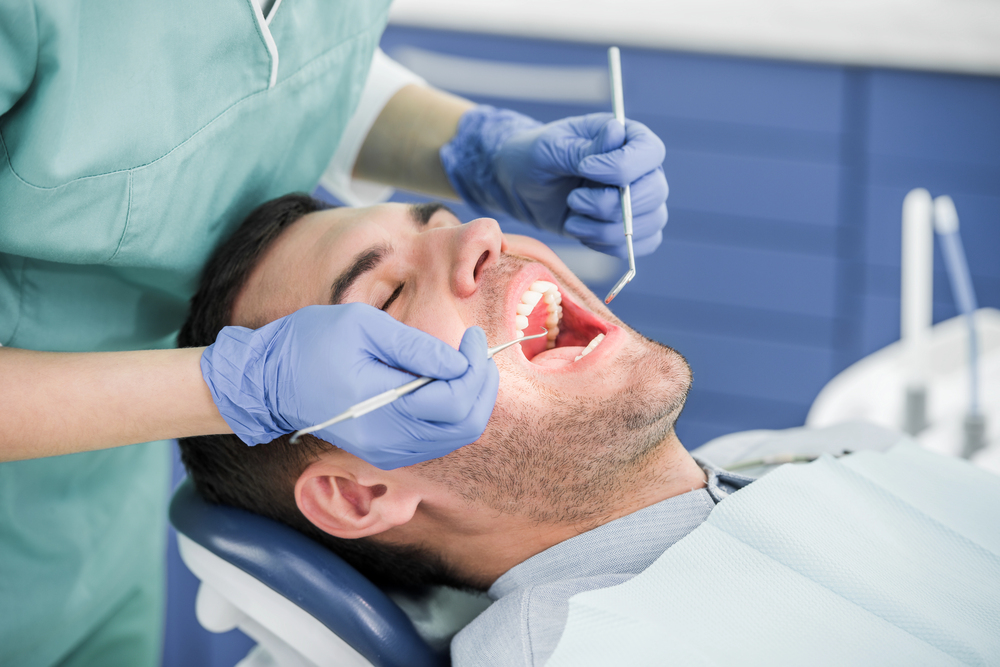
Bleeding when you brush, gums that look puffy or have pulled back from your teeth, a bad taste that keeps coming back — these are the everyday signals that gum disease has taken hold, and they rarely go away on their own. We treat gum disease for patients throughout Lady Lake and the surrounding Marion and Lake County communities, and much of what we see starts small: a little blood in the sink, a tooth that suddenly feels sensitive to cold. Caught early, that's very manageable. Left alone, the same infection can loosen teeth and damage the bone that holds them in place.
Gum disease is a bacterial infection of the tissue and bone supporting your teeth. It begins as gingivitis, when plaque and tartar collect along the gumline and cause inflammation. At this point the gums bleed easily but no permanent damage has occurred. When the infection moves below the gumline, it becomes periodontitis — pockets form between the gum and the tooth root, bacteria settle in where a toothbrush can't reach, and the bone begins to recede.
Treatment is about interrupting that cycle. Depending on what we find, care may involve a thorough scaling and root planing to clean the root surfaces below the gumline, periodontal maintenance visits on a tighter schedule than a standard cleaning, laser dentistry, or surgical care such as gingivectomy, crown lengthening, gum grafting, or periodontal regeneration to rebuild lost support. We also handle gum contouring when tissue levels affect the look of your smile, and we place and maintain dental implants when a tooth has already been lost. Because we file periodontal claims as a general practice, Lady Lake patients can begin and finish treatment with us — no referral required.
Most people who come to us fall into one of a few situations. Some have noticed bleeding or tenderness and want it checked before it worsens. Others were told at a previous cleaning that they had "deep pockets" and never followed through. A third group arrives with real urgency: a loose tooth, a painful abscess, or gums that have receded enough to expose sensitive root surfaces.
You may be a candidate for gum disease treatment if you recognize any of these:
- Gums that bleed when brushing or flossing, or that look red, swollen, or tender
- Persistent bad breath or an unpleasant taste that brushing doesn't fix
- Gums that have pulled away from the teeth, making teeth look longer
- Teeth that feel loose, have shifted, or that fit differently when you bite
- A history of smoking, diabetes, or several years without a dental cleaning
- Discomfort or sensitivity around older crowns, bridges, or partial dentures
We see patients of all ages, and gum care isn't only an older-adult concern — adults in their thirties and forties are frequently surprised by an early diagnosis. If you're unsure, an exam with measurements of your gum pockets settles the question quickly.
What Treatment Looks Like, Step by Step
Your first visit is an evaluation. Our dentist and hygienist examine your gums, measure pocket depths around each tooth, check for looseness, review your medical history, and take images as needed. An oral cancer screening is part of a thorough exam as well. From there we explain exactly what stage you're at and lay out the options, including what can be handled conservatively and what may need surgical attention.
For most patients, care begins with scaling and root planing, often completed over one or two appointments with the area numbed for comfort. Nitrous oxide or oral sedation is available if dental visits make you anxious. If deeper pockets or bone loss remain afterward, we may recommend periodontal surgery, grafting, or regenerative procedures. When teeth can't be saved, we can plan extractions and tooth replacement — including implants, implant-supported bridges, and dentures — in the same practice, supported by our on-site dental lab.
Aftercare, Scheduling, and Paying for Care
Gum disease is a chronic condition, so what happens after treatment matters as much as the treatment itself. Expect some tenderness and sensitivity for a few days, eased by soft foods and gentle brushing. We'll give you specific home-care guidance and then place you on a periodontal maintenance schedule — usually more frequent than twice a year — so we can monitor pocket depths and clear bacteria before they rebuild.
We accept all major PPO insurance plans and self-pay patients, and we offer flexible payment plans when treatment is extensive. For Lady Lake patients, we keep appointments efficient and consolidate procedures where we reasonably can, and we offer emergency appointments when gum pain or swelling can't wait. Ocala Dental Care has cared for this region for more than 30 years, and Dr. Hussein Salifu and Dr. Marco Geris would be glad to take a look.