
Implant-Supported Bridges in The Villages
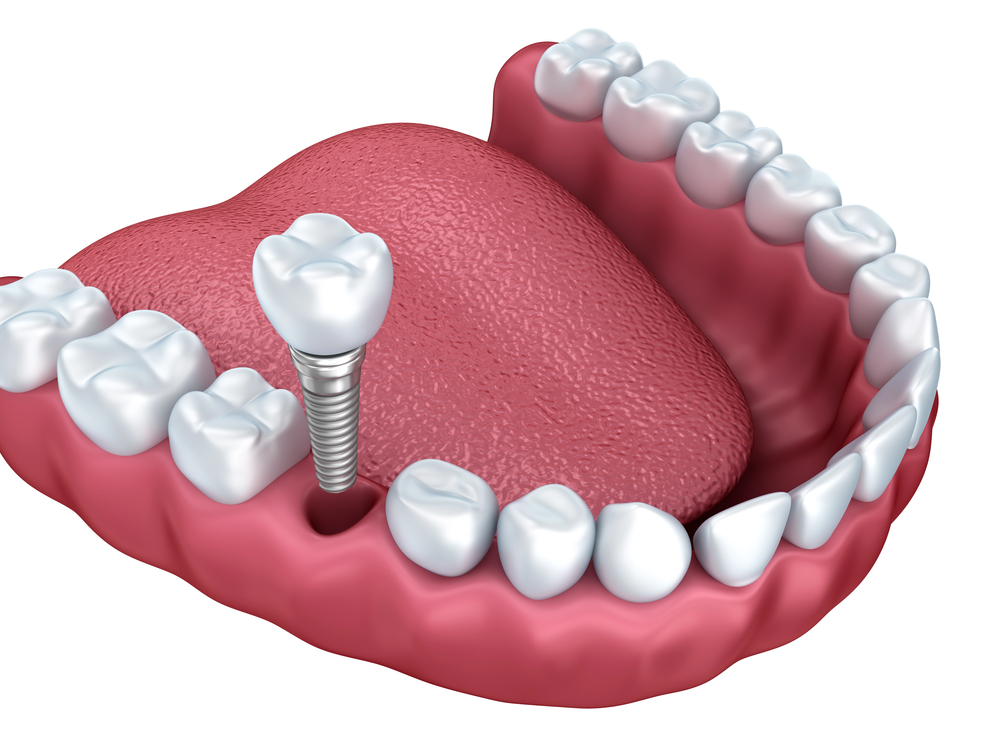
Losing two or three teeth in a row changes more than your smile. Chewing shifts to one side, certain foods come off the menu, and the teeth on either side of the gap start to drift. For many of our patients from The Villages, that gap has been patched with a removable partial or a traditional bridge that relies on grinding down healthy neighboring teeth. An implant-supported bridge offers another path: a fixed row of replacement teeth anchored by dental implants in the jawbone, built to look and function like the teeth you lost.
An implant-supported bridge replaces several missing teeth in a row using dental implants as the foundation instead of natural teeth. Typically, two implants are placed at either end of the span, and a custom bridge of connected crowns is secured on top. Nothing clips in or out, nothing rests on your gums, and the healthy teeth beside the gap stay untouched — a meaningful difference from a conventional bridge, which requires reshaping those neighbors to serve as supports.
Because the implants fuse with the jawbone, they also do the job natural roots once did: stimulating bone and helping limit the sunken look that can follow long-term tooth loss. For The Villages residents who stay active, eat out often, and don't want to think twice about a crusty roll or a steak, that stability is usually the deciding factor. We place implants in-house and also provide fixed implant-supported bridges, implant-supported dentures, and full-arch options, so the conversation starts with what fits your mouth and your goals rather than with one predetermined solution.
Most adults missing two or more consecutive teeth are candidates. What we look for is enough healthy jawbone to hold implants securely, gums free of active infection, and general health that supports healing. If gum disease is present, we treat it first — we offer scaling and root planing, gum disease treatment, periodontal surgery, and gum grafting, so that groundwork happens under one roof.
Thin or resorbed bone doesn't automatically rule you out. Bone grafting and sinus lift surgery can rebuild support in areas where bone has shrunk after years without teeth. If a failing tooth still occupies the space, we handle simple and surgical extractions as well. Patients who feel anxious about any of this can ask about nitrous oxide sedation or oral sedation dentistry; we'd rather adjust the comfort plan than have you postpone care.
What the Process Looks Like
Treatment begins with an exam, imaging, and a frank discussion of options, including conventional bridges and partial dentures, so you can compare. If implants are the right choice, we plan the placement around your bite, bone, and the shape of the final bridge.
- A consultation and evaluation of bone, gums, and bite
- Any preparatory care needed, such as extractions, gum treatment, or bone grafting
- Surgical placement of the implants, with sedation options available
- A healing period while the implants integrate with the bone
- Impressions and fabrication of your custom bridge
- Placement of the final bridge, followed by bite checks and adjustments
Our on-site dental lab is a real advantage during the restorative phase. Having lab work handled in the same building shortens turnaround and makes shade matching, contour tweaks, and repairs far simpler than shipping cases out. It's one reason patients traveling to us from The Villages often find the overall number of trips manageable.
Caring for Your Bridge Afterward
An implant-supported bridge is cleaned much like natural teeth, with one addition: you'll clean underneath the bridge where it meets the gum, using floss threaders, interdental brushes, or a water flosser as we demonstrate. Our hygienists walk you through the technique before you leave and reinforce it at every visit.
Routine dental cleanings, exams, and implant maintenance keep the surrounding gum and bone healthy, which is what protects the investment long term. If you grind your teeth, we may recommend a night guard to reduce stress on the restoration. And if something ever feels loose, sharp, or uncomfortable, we offer emergency dental appointments rather than asking you to wait weeks.
Insurance, Payment, and Getting Started
We accept all major PPO insurance plans and file claims as a general practice, and we welcome self-pay and cash patients. For treatment that spans several phases, we offer flexible payment plans so costs can be spread out, and we'll give you a clear breakdown before anything begins.
Ocala Dental Care has served this region for more than 30 years, with Dr. Hussein Salifu and Dr. Marco Geris caring for patients of all ages. No referral is needed — The Villages patients are welcome to call and schedule a consultation directly.