
Gum Grafting in Belleview
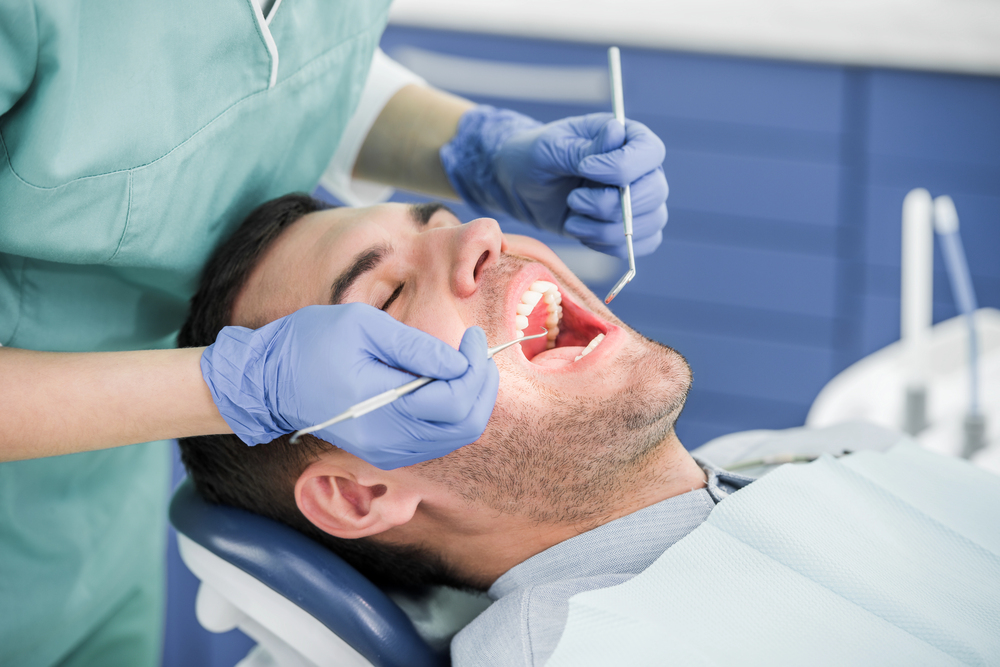
A tooth that suddenly looks longer than its neighbors, a notch you can feel with your fingernail near the gumline, a zing of cold sensitivity when you sip iced tea — these are the everyday signs of gum recession that bring Belleview patients to our office. Receding gums don't grow back on their own, and once the root surface is exposed it stays vulnerable to decay, wear, and sensitivity. Gum grafting is the procedure we use to rebuild that lost tissue, cover exposed roots, and protect the foundation your teeth depend on.
Gum grafting is a periodontal procedure that adds healthy tissue to areas where the gumline has pulled back. Depending on the situation, the graft tissue may be taken from your own palate or come from a donor source, then secured over the exposed root and allowed to heal into place. As it integrates, it creates a thicker, more durable band of gum that resists further recession and shields the root beneath.
Recession happens for a lot of reasons, and we see the full range among our Belleview patients. Gum disease is a common cause, but so are aggressive brushing habits, clenching and grinding, crowded or tipped teeth, thin gum tissue inherited from family, and years of normal wear. Because the causes differ, the treatment plan does too. Sometimes grafting follows scaling and root planing to get active gum disease under control first. Sometimes it's paired with a night guard to stop the grinding that contributed to the problem. Our goal is always to treat the cause along with the result, so the new tissue has the best chance of staying put.
Most people who come in for a recession evaluation are candidates, but the right timing matters. We look at how much root is exposed, how thick the remaining tissue is, whether there's active infection or bone loss, and how the problem is affecting you day to day. If gum disease is present, we stabilize it first. If bone support has been lost, periodontal regeneration or bone grafting may be part of the broader plan.
Here's what gum grafting commonly addresses for our patients:
- Root sensitivity to cold drinks, air, and brushing that hasn't responded to desensitizing toothpaste
- Exposed root surfaces at higher risk for decay, since roots lack the hard enamel that covers the crown
- Teeth that look uneven or overly long, which many patients find cosmetically frustrating
- Thin, fragile gum tissue that's likely to keep receding without reinforcement
- Protecting the gumline around dental implants or before orthodontic treatment with clear aligners
Not every recession case needs surgery. If the recession is mild, stable, and not causing symptoms, we may recommend monitoring it at your periodontal maintenance visits and correcting the brushing technique or bite issue driving it. We'll tell you plainly which category you're in.
What the Procedure and Recovery Involve
We start with a thorough exam, including measuring gum pockets and reviewing your bite and home care habits. Once we've agreed on a plan, the procedure itself is done with local anesthesia so the area is fully numb. For patients who feel anxious about dental work, we offer nitrous oxide and oral sedation to make the visit easier. The graft is placed and secured with fine sutures, and most procedures are completed in a single appointment.
Aftercare is straightforward but important. You'll stick to soft, cool foods for the first several days and avoid brushing or flossing directly over the graft site while it heals — we'll give you a specific rinse and care routine instead. Mild swelling and tenderness are normal early on, and we'll go over what to expect and how to manage discomfort. We schedule a follow-up to check healing and remove sutures if needed. Over the following weeks, the tissue settles, blends with the surrounding gum, and sensitivity typically eases as the root is covered.
Caring for Belleview Patients and Handling the Cost
Belleview families have been coming to us for the same reason many Marion County patients do: we've practiced general, restorative, and cosmetic dentistry in Ocala for more than 30 years, and we handle periodontal work in-house rather than sending you elsewhere. You don't need a referral to be seen. Dr. Hussein Salifu and Dr. Marco Geris treat patients of all ages, and our on-site dental lab means related work like crowns and dentures can often be completed without extra trips.
We accept all major PPO insurance plans and file periodontal claims as a general practice. We also welcome self-pay patients and offer flexible payment plans so the cost can be spread out. Before any treatment begins, we'll review the plan and the financial side with you so there are no surprises — and if gum grafting turns out not to be the right step, we'll say so and explain what we'd recommend instead.