
Root Canal Therapy in Belleview
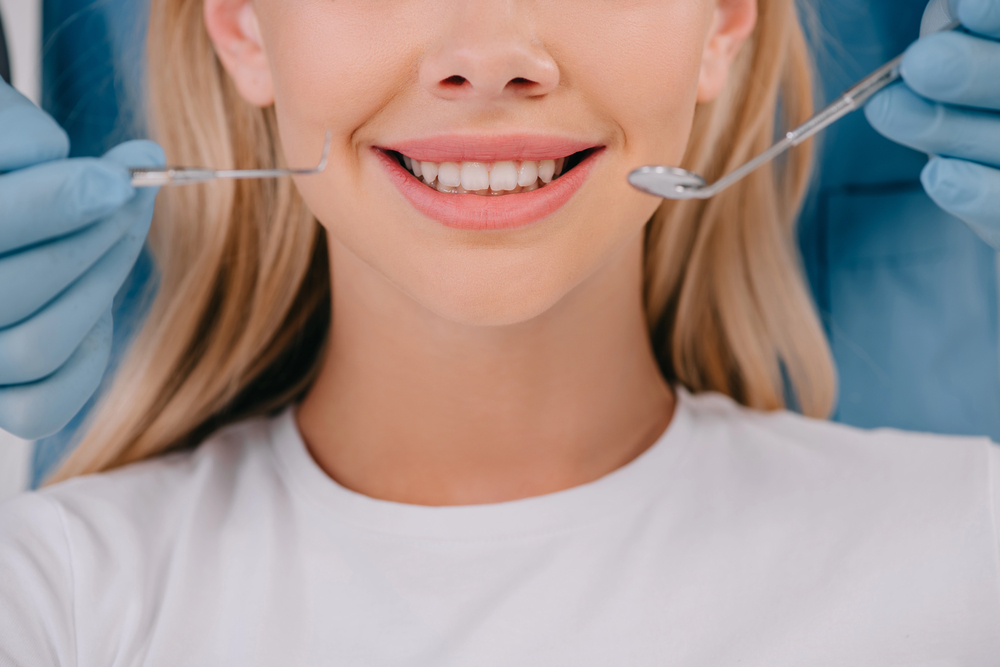
A throbbing tooth that keeps you up at night, a molar that aches every time you sip coffee, a front tooth that darkened after an old sports injury — these are the situations that bring Belleview patients to us for root canal therapy. The goal of this treatment is simple and practical: remove infected or damaged tissue from inside the tooth, relieve the pain, and keep your natural tooth in place rather than pulling it. We've been treating patients across Marion County for over 30 years, and we see root canals not as a last resort but as one of the most dependable ways to save a tooth that still has plenty of life left in it.
Inside every tooth is a chamber of soft tissue called the pulp, made up of nerves and blood vessels. When decay reaches deep enough, or a crack lets bacteria in, or a blow to the mouth damages the tissue, that pulp becomes inflamed or infected. Root canal therapy clears out that tissue, disinfects and shapes the canals, then seals them so bacteria can't return. The outer tooth — the part you chew with and smile with — stays yours.
Belleview patients usually come to us for one of a few reasons. Some have lingering sensitivity to hot and cold that doesn't fade after a few seconds. Some have pain when biting down, swelling along the gum, or a tooth that has turned gray. Others have no symptoms at all and only learn about the problem from an X-ray during a routine exam. We also handle root canal retreatments when a previously treated tooth flares up again, and we treat cracked teeth and traumatic dental injuries. Because we file endodontic claims as a general practice and accept patients without a referral, you can be seen here directly instead of being sent elsewhere.
Not every tooth is built the same, and the treatment reflects that. Anterior root canals involve the front teeth — incisors and canines. These typically have a single canal, which makes them the most straightforward of the three. They're common after trauma, such as a tooth injured years earlier that has slowly discolored or developed an abscess. Appointments for anterior teeth are generally the shortest, and because these teeth are so visible, we pay close attention to the restoration that follows.
Premolar root canals fall in the middle. Premolars sit between the canines and molars and usually have one or two canals. They do real chewing work but have less complex anatomy than back teeth. Molar root canals are the most involved — molars often have three or more canals, sometimes with curves and branches, and they absorb the heaviest biting forces in your mouth. Molar treatment takes more time and more careful cleaning, and these teeth almost always need a crown afterward to protect them from fracture. Our on-site dental lab is a real advantage here, since crowns can be fabricated without shipping work out and waiting weeks.
What Treatment Looks Like From Start to Finish
We begin with an exam and X-rays to confirm the pulp is involved and to map the canals. The tooth and surrounding area are thoroughly numbed before we start. We isolate the tooth, make a small opening in the top, remove the damaged pulp, then clean and shape each canal before sealing it. Depending on the tooth and the extent of infection, treatment may be completed in one visit or two.
- Local anesthetic so the procedure itself is comfortable
- Nitrous oxide or oral sedation available if dental anxiety is a concern
- Same-day emergency appointments when pain or swelling can't wait
- A temporary filling or permanent restoration placed before you leave
- A crown for most molars and premolars, often made in our on-site lab
Afterward, mild tenderness for a few days is normal, especially when chewing. Over-the-counter pain relievers usually handle it. We ask you to avoid chewing hard foods on that side until the final restoration is placed, keep brushing and flossing normally, and call us if discomfort increases rather than fades.
Scheduling, Insurance, and Getting Out of Pain
Belleview residents are a short drive from our Ocala office, and we treat patients of all ages — children and adults alike. Dr. Hussein Salifu and Dr. Marco Geris handle root canal cases alongside the restorative work that follows, so your treatment stays under one roof from diagnosis through final crown.
We accept all major PPO insurance plans and welcome self-pay and cash patients. Flexible payment plans are available if you'd rather spread the cost out. If you're in pain today, call us — emergency appointments are part of how we practice, and no referral is needed to be seen.