
Bridges in Belleview
A missing tooth changes more than your smile — it shifts your bite, puts extra work on the teeth beside the gap, and can make chewing on one side a habit you don't even notice. For our Belleview patients, a dental bridge is often the most direct way to close that gap and get back to eating and speaking normally. We've been restoring teeth here in Marion County for over 30 years, and bridges remain one of the most dependable tools we have.
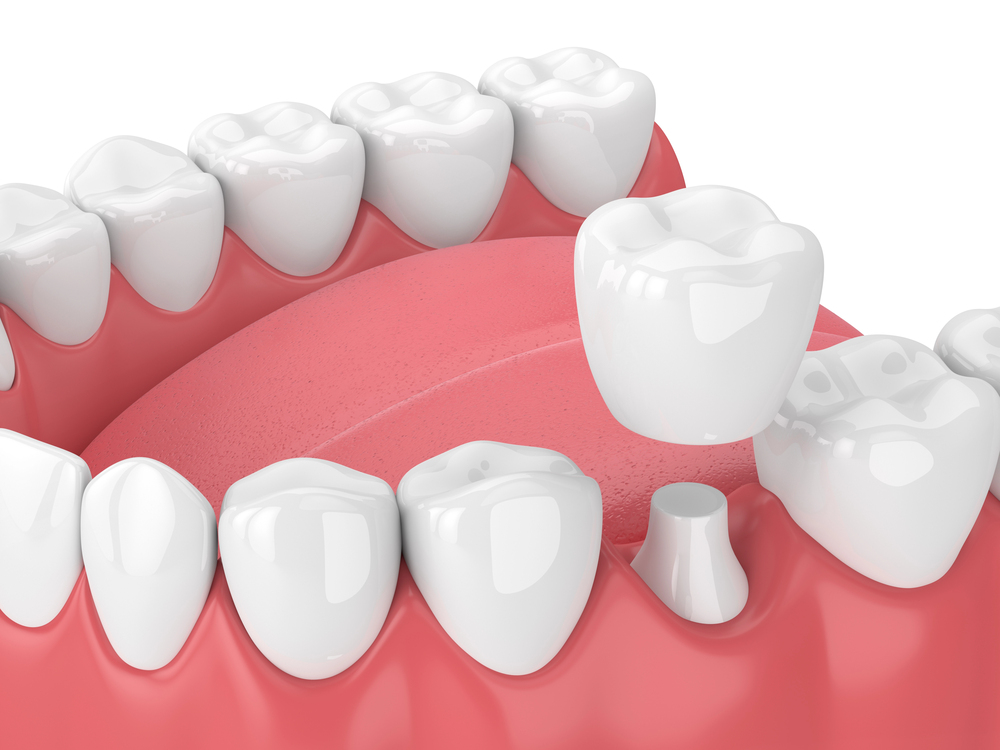
A bridge is a fixed restoration that replaces one or more missing teeth by anchoring to support on either side of the space. The replacement tooth — called a pontic — is fused between two crowns that fit over your neighboring natural teeth, or it can be supported by dental implants. Once it's cemented or secured in place, it stays put. You don't take it out at night, and you clean it much the way you clean the rest of your teeth, with a little extra attention underneath.
We offer both traditional tooth-supported bridges and implant-supported bridges. The right choice depends on what's happening around the gap. If the teeth on either side already have large fillings or need crowns anyway, a traditional bridge makes good use of them. If those neighboring teeth are healthy and untouched, an implant-supported bridge lets us leave them alone and place titanium posts in the jaw instead. We place implants in-house, along with bone grafting and sinus lift surgery when the jaw needs rebuilding first, so Belleview patients aren't bounced between offices for different pieces of the same plan.
Most people with one, two, or three missing teeth in a row are candidates. What we look at first is the foundation: the health of the supporting teeth, the condition of your gums, and the amount of bone in the area. Gum disease has to be under control before we build anything on top of it, so if we find inflammation or pocketing, we'll start with scaling and root planing or periodontal treatment. If a supporting tooth is cracked or has deep decay, root canal therapy may come first — we handle molar, premolar, and anterior root canals here as well.
Some situations call for a different answer, and we'll tell you honestly when that's the case. A patient missing most of an arch may be better served by partial dentures, implant-supported dentures, or full arch implants. Someone grinding heavily at night may need a night guard alongside the bridge to protect it. The goal is a restoration that lasts, not just one that fits today.
What the Process Looks Like
Treatment usually spans two phases. At the first visit we take digital impressions and records, numb the area, and shape the supporting teeth so the crowns will seat properly. You leave with a temporary bridge that protects the prepared teeth and keeps the space open. Our on-site dental lab is a real advantage here — fabrication and adjustments happen in our own building rather than being shipped out, which shortens turnaround and makes fine-tuning the fit and shade much easier.
At the second visit we try the finished bridge in, check how it meets your opposing teeth, and adjust the bite until it feels natural. Then it's cemented. Implant-supported bridges follow a longer timeline, since the implants need time to integrate with the bone before the final restoration goes on.
- A thorough exam, X-rays, and a review of your gum and bone health
- Honest discussion of bridge versus implant versus partial denture
- Tooth preparation and a temporary bridge the same day
- Custom fabrication supported by our in-house lab
- Bite adjustment and final placement, plus home care instructions
Caring for Your Bridge Afterward
Mild sensitivity and gum tenderness for a few days is normal. Soft foods help early on, and warm salt-water rinses keep the gum tissue comfortable. Once things settle, the bridge handles ordinary meals without special restrictions, though we suggest caution with ice and very hard candies.
Cleaning underneath the pontic is the part that matters most. A floss threader, interdental brush, or water flosser clears the space where the bridge meets the gum. Our hygienists will show you the technique at your next cleaning and keep an eye on the margins at every checkup.
Insurance, Payment, and Getting Started
We accept all major PPO insurance plans and will file your claim for you, and we welcome self-pay and cash patients. Flexible payment plans are available so the cost can be spread out rather than paid all at once — we'll go over your estimate before treatment begins, not after.
Belleview patients see us without needing a referral, and we treat all ages, including same-day emergency appointments when a tooth breaks or an old bridge comes loose. Call our office to schedule an evaluation with Dr. Salifu or Dr. Geris.